Pricing Strategy With Real Cost Context
I price and underwrite around true renovation scope, not guesswork, so buyers, sellers, and investors avoid costly surprises.
Nicholas Davis
Yes
Most Agents
No
Looking for an investor friendly real estate agent in Philadelphia, I help new and seasoned investors buy, renovate, rent, refinance, and exit with clear numbers and local execution.
I work with BRRRR, DSCR, fix and flip, buy and hold, and multifamily investors who want contractor level renovation insight, neighborhood specific underwriting, and a practical exit plan before writing an offer.
Call or Email Nicholas Davis
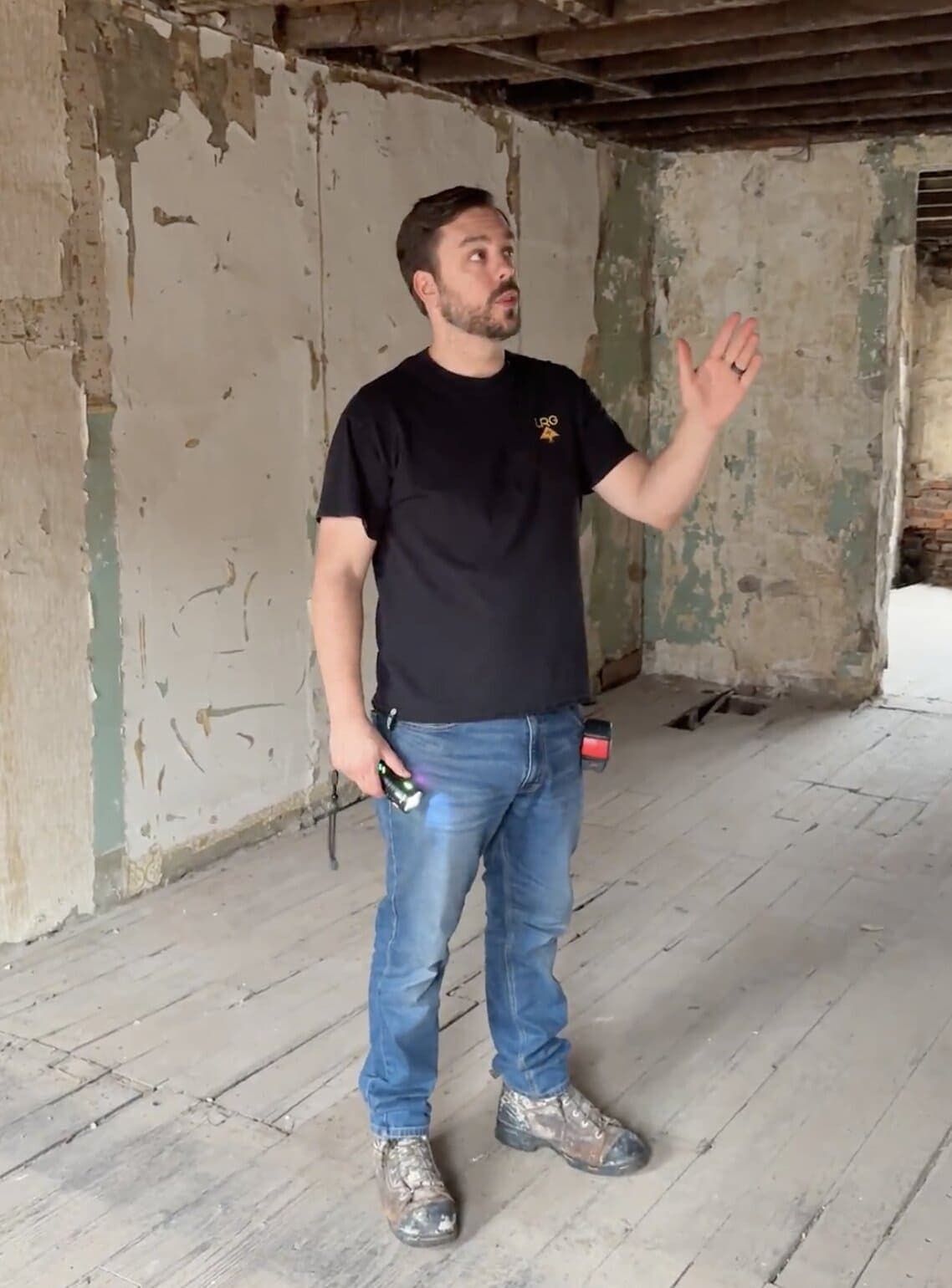
Trusted by buyers, sellers, and investors with experience built in the field
In Team Sales
$500M+
Buyers & Sellers Helped
1000+
Philadelphia Metro
650+
Combined Team Experience
22+
Looking for an investor friendly real estate agent in Philadelphia, I help new and seasoned real estate investors with BRRRR, DSCR, fix and flip, buy and hold, and rental analysis from acquisition through renovation and exit. Star services are where I specialize most. Check services are additional investor support I provide.
I help new and seasoned investors pressure test a deal before they are under contract. We review after repair value ARV, renovation scope, rent potential, cash flow assumptions, refinance options, and resale path so your plan matches the property. If you are building with BRRRR, DSCR, fix and flip, or buy and hold, I guide the numbers and execution so you can move with clarity.
A disciplined investing process for Philadelphia — from deal sourcing and underwriting to execution and exit planning.
01
Identify on-market opportunities in Philadelphia through Compass One that match your strategy, timeline, and target returns.

02
Underwrite each deal with the right framework for your strategy, including 70% rule for flips and DSCR analysis for rentals.
03
Confirm after-repair value and create a realistic project budget covering renovation scope, holding costs, reserves, and exit costs.
04
Prepare a disciplined offer with contingencies, timelines, and pricing terms that protect your downside while staying competitive in Philadelphia.
05
Coordinate inspections, contractor walk-throughs, lender requirements, and title review so your numbers hold through closing.
06
Move from closing to execution with a clear operating plan for rehab, leasing, refinance, or resale based on your investment objective.
More than 10 years in real estate investing, property operations, and construction execution now power every client strategy.
Philadelphia Real Estate Realtor, Investor, and Licensed General Contractor at

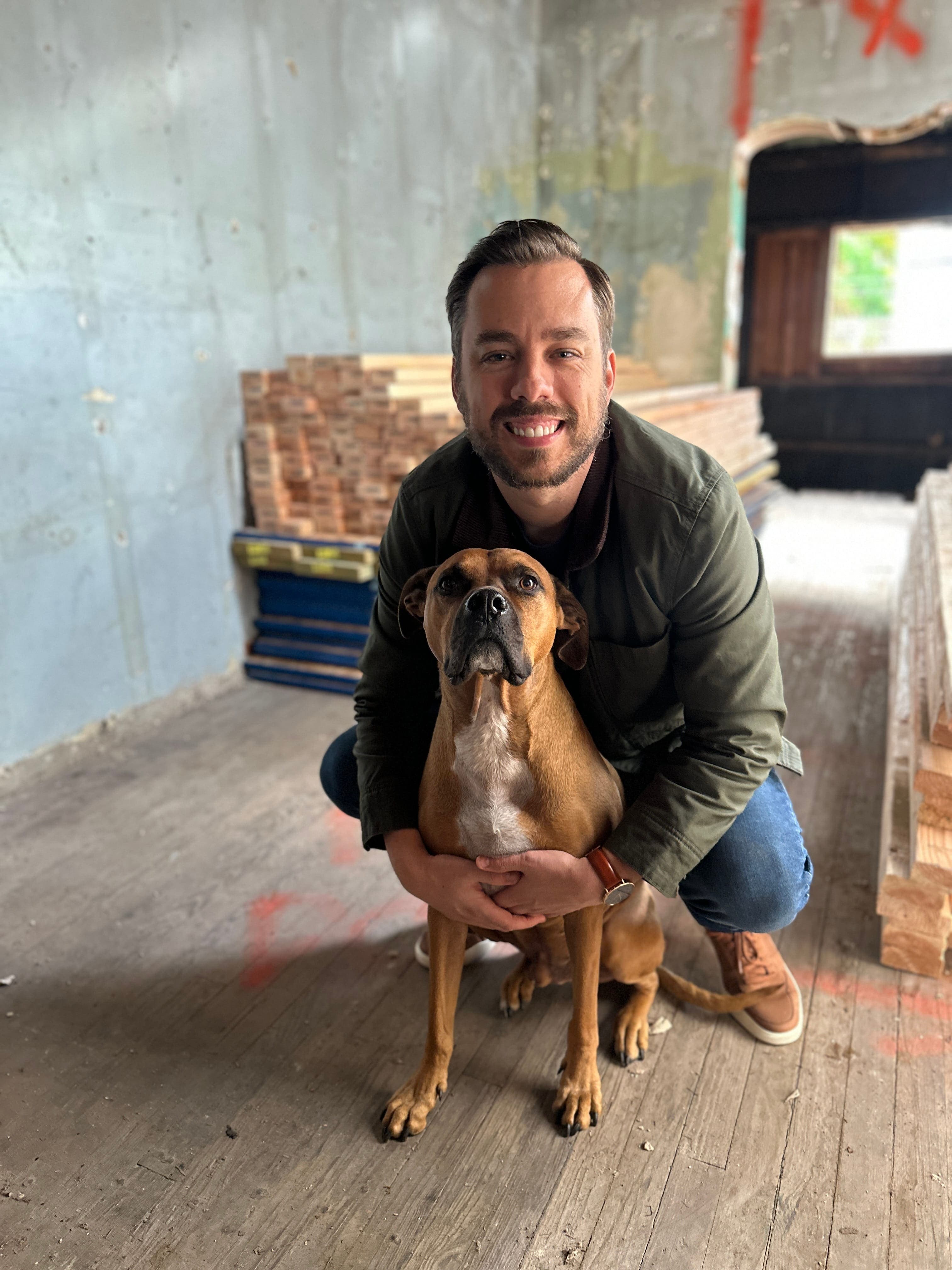
Nicholas Davis brings more than 10 years of hands on real estate experience across investing, property management operations, renovation planning, and project execution. Long before becoming a licensed real estate agent, he was already evaluating deals, managing risk, and protecting margins in the field.
That operating background gives clients an advantage at every stage. You get practical guidance on pricing, renovation scope, hold costs, rental upside, negotiation structure, and timeline decisions, all grounded in real world execution.
Today, as a full time Philadelphia real estate agent and licensed general contractor, Nicholas helps buyers, sellers, and investors make stronger decisions with clarity and confidence. No pressure. No fluff. Just direct advice and disciplined strategy focused on results.
Most agents stop at comps. I combine market strategy, investor underwriting, and contractor-level property analysis so your decisions are based on real numbers.
I price and underwrite around true renovation scope, not guesswork, so buyers, sellers, and investors avoid costly surprises.
Nicholas Davis
Most Agents
I run return, risk, and downside scenarios before you sign, so emotion does not control the decision.
Nicholas Davis
Most Agents
I identify scope, quality risk, and cost exposure early, before they hit your budget or timeline.
Nicholas Davis
Most Agents
I structure terms around inspection, scope, credits, and timing so your position improves, not weakens.
Nicholas Davis
Most Agents
I stay involved through due diligence and closing details so the plan survives contact with reality.
Nicholas Davis
Most Agents
I connect inspection findings, budget exposure, and exit options into one clear decision framework.
Nicholas Davis
Most Agents
Real feedback from buyers, sellers, and investors across the Philadelphia metro.
“Nick brings a level of expertise and professionalism that’s hard to find. His renovated properties are thoughtfully designed and finished with care and quality. ”
Julianna
Buyer
“From pricing strategy to negotiation, Nicholas was calm, data-driven, and always one step ahead. We felt fully supported from start to close.”
Hunter Torosian
Real Estate Agent

$500M+
Total Sales Volume

1000+
Clients Served to Date
“Nick is super helpful, great communicator, and very quick to provide listings that fit my requirements. I’ve worked with alot of realtors and Nick by far is the best! I wouldn’t use another realtor because he is honest, upfront and super helpful. I would give me a 10/10 rating.”
Ashley
Buyer
“I worked on a deal with Nicholas and had a great experience. Smooth transaction with clear communication”
Sarah Dickinson
Real Estate Agent
Local expertise across four key counties in Southeastern Pennsylvania, with strategy tailored to buyers, sellers, and investors.
City neighborhoods and surrounding corridors
Explore Philadelphia
Family-focused communities and lifestyle markets
Explore BucksSuburban markets with strong long-term value
Explore Montgomery
Commuter-friendly areas with diverse inventory
Explore DelawarePractical real estate guides for buyers, sellers, and investors, focused on decisions that matter most in your market.

Nicholas Davis

Nicholas Davis

Nicholas Davis

Nicholas Davis

Nicholas Davis

Nicholas Davis

Nicholas Davis

Nicholas Davis

Nicholas Davis

Nicholas Davis
Nicholas Davis
Nicholas Davis
Nicholas Davis
Nicholas Davis
Nicholas Davis
Nicholas Davis
Nicholas Davis
Nicholas Davis
Nicholas Davis
Nicholas Davis
Detailed answers for Philadelphia investors who want clarity on neighborhoods, zoning, closing costs, rehab risk, and what a deal really looks like before they commit.
YES!!!! It's a hidden gem. Philadelphia is one of the more attractive East Coast markets for investors because it offers a better balance of entry price, rental demand, and long term upside than many larger coastal cities. You still have major employment drivers, strong university and hospital demand, a large renter population, and housing stock where value can be created through smart renovation. The key is that Philadelphia is very block by block. A good investment here is usually less about picking the city in general and more about buying the right product on the right block with a realistic budget and exit plan.
For many first time investors, areas like Port Richmond, Brewerytown, Germantown, and parts of West Philadelphia can offer a useful mix of price, tenant demand, and upside. If you have 150k in the bank, South Philadelphia is your best bet. The right neighborhood depends on your budget, renovation tolerance, financing, and whether you care more about near term cash flow or long term appreciation. I help investors narrow that down instead of guessing. We look at what you can comfortably spend, how much work you want to take on, what kind of tenant profile you want, and whether the exit is hold, refinance, or resale.
That depends on inventory, financing, and how hands on you want to be. True duplexes and triplexes can be great when the numbers work, but in many stronger central neighborhoods they are limited, heavily competed for, or already priced with investor demand baked in. A house hack can be a smarter first move when you want lower down payment options and a gentler learning curve. In Philadelphia that may mean buying a larger single family, twin, or property with a flexible layout in a neighborhood where roommate demand is strong. I help you compare both paths based on cash needed, expected rent, management complexity, and exit flexibility.
Closing costs in Philadelphia are higher than many buyers expect, largely because the city and state transfer taxes are significant compared with much of the country. In practice, many investors should budget roughly 5% to 6% of the purchase price on top of down payment and rehab reserves, depending on financing and escrows. That number can include transfer tax, lender fees, title charges, recording costs, prepaid insurance, tax escrows, and interest adjustments. I walk buyers through the full cash to close picture early so you are not chasing a deal that looks affordable on paper but strains liquidity at settlement.
The biggest surprises are usually vacancy, turns, maintenance, and the reality of older Philadelphia housing stock. A rowhome may look manageable at first glance, but flat roofs, aging plumbing, old electrical, masonry issues, drainage, and deferred maintenance can quickly change the cash flow story. Many owners also underestimate water costs, leasing costs, city compliance items, lead related requirements, and management fees if they do not want to self manage. I underwrite deals with realistic expense assumptions so you can see how the property performs after the easy optimism is stripped out.
Equity can come from three places: paying down principal over time, natural neighborhood appreciation, and forced appreciation through renovation or better operations. In Philadelphia, many investors build equity fastest when they buy at the right basis, improve the property intelligently, and then either refinance or hold through rent growth. The amount you build depends on purchase discipline. If you overpay, the market has to save you. If you buy well and manage well, you can create equity much faster. That is why I focus so heavily on entry price, rehab scope, and realistic after repair or stabilized value before you commit.
The fastest starting point is the City of Philadelphia property and zoning map tools, especially Atlas and the official zoning layers tied to a property address. Those tools let you confirm the base zoning district, lot size, prior permits, and certain property history before spending money on design work. For investors, zoning matters because it affects unit count, use, additions, and whether your business plan is even allowed. I flag zoning early in the process so buyers do not waste time underwriting a use that the site may not support.
RM1 is a Philadelphia multifamily residential zoning category that is generally intended for moderate to higher density residential use in areas where that type of housing already exists or is planned. In plain terms, it can support more than a single unit, but investors should never stop at the label alone. You still need to verify what is permitted by right for that specific lot, whether overlays apply, whether prior conversions were legal, and what building code or parking issues may affect the project. I help investors treat zoning as part of the deal analysis, not an afterthought.
They can be very helpful, especially in the first years of ownership when cash flow is tight, but they are not a reason to overpay for weak product. A tax abatement can materially improve monthly numbers on new construction or major redevelopment, yet investors still need to vet the builder, inspect the finish quality, and confirm what the abatement actually covers and for how long. I view abatements as an advantage when the underlying deal is already sound, not as a tool to rescue a property with bad pricing, poor workmanship, or a weak location.
For investors, the best agent is not just the person with access to listings. You want someone who can pressure test the numbers, spot renovation risk, understand financing, and tell you when a property only looks good because the assumptions are too generous. That is the edge I bring. I work from both the investment side and the contractor side, so clients get help with underwriting, rehab scope, neighborhood fit, and exit strategy before and during the deal. My team and I are built to guide investors closely, especially first time buyers who want a more hands on experience instead of being left to figure it out alone.
Before an offer is written, I help investors narrow the strategy, vet the block, review probable rents or resale value, and identify the repair items most likely to blow up the budget. We look at acquisition cost, closing costs, renovation scope, reserves, timeline, and exit options so the property is measured against your actual goal. That process is especially important for new investors because it creates a clear framework instead of relying on gut feel or seller marketing.
A deal is usually worth pursuing when the entry price makes sense, the renovation scope is understandable, the tenant or resale demand is proven, and you still have room for mistakes. I want to see enough spread between purchase price, work needed, and stabilized value to justify the risk. I also care about exit flexibility. The strongest deals often give you more than one viable outcome, such as rent and hold, refinance later, or resell if the market shifts. That kind of flexibility matters in a city where every block behaves a little differently.
The right way to start is by choosing a clear buy box before you ever chase a property. That means setting a max budget, target neighborhoods, scope tolerance, financing plan, and exit assumptions. In Philadelphia, first time flippers usually get in trouble when they buy based on excitement and then try to solve the numbers afterward. I help clients start with deal criteria, realistic repair planning, permit awareness, and resale analysis so the first flip is approached like a business decision instead of a gamble. See my Philadelphia flipping process.
After Repair Value, usually shortened to ARV, is the realistic price a property should command after the renovation is fully completed and the work matches what buyers in that neighborhood are actually paying for. ARV analysis is the discipline of backing into that number using real comparable sales, not wishful thinking. It matters because your offer price, rehab budget, lender strategy, and exit plan all rest on that value being believable. If the ARV is inflated, the whole deal can look profitable on paper and still fail in real life. See how I calculate ARV in Philadelphia.
The 70% rule is a quick screening tool that says many flippers should aim to pay no more than 70% of a property's after repair value minus repair costs. If a home could be worth $300,000 after renovation and needs $60,000 in work, a rough maximum offer under that rule would be $150,000. It is useful as a first pass, but it is not a law. In Philadelphia, transfer tax, financing costs, holding time, and neighborhood specific resale friction can make a deal weaker or stronger than the simple formula suggests, so I use it as a filter, then underwrite the property in detail. Read my 70% rule breakdown.
NOI means Net Operating Income. It is the income a property produces after normal operating expenses are removed, but before mortgage payments and income taxes. For rental property investors, NOI is one of the cleanest ways to compare assets because it forces you to look beyond gross rent. In Philadelphia, strong underwriting means using realistic rent, maintenance, turnover, vacancy, water, taxes, insurance, and management assumptions. If the NOI only looks good because the expenses are too optimistic, the deal is not actually strong.
A meaningful percentage of flips either lose money or barely break even, and many market estimates put that failure range somewhere around the low teens into the low twenties depending on timing and market conditions. The bigger lesson is why deals fail. Most bad flips are not caused by one dramatic mistake. They usually fail because the investor overpays, underestimates repairs, misses holding costs, or assumes a resale value the market never supports. That is exactly where disciplined underwriting and contractor level renovation judgment matter most.
First time flippers often underestimate the cost and time impact of Philadelphia's older housing stock. Roof issues, hidden water damage, masonry repairs, electrical upgrades, plumbing surprises, permit delays, and finish selections can all eat margin quickly. They also tend to focus too much on the purchase price and not enough on the all in basis. I help first time investors look at the full picture, from acquisition and closing costs through scope, contingency, timeline, and resale positioning, so they can avoid mistakes that experienced operators already know to price in.
Yes. This is one of the most valuable points to bring me into the process. I help investors pressure test the purchase price, renovation scope, probable ARV, holding costs, and resale plan before money gets tied up. My edge is that I do not look at a project only as an agent or only as a contractor. I look at both, which helps investors see whether the spread is real or just optimistic spreadsheet math. Analyze a deal in Philadelphia.
I help with strategy selection, neighborhood filtering, deal analysis, renovation scoping, pricing discipline, rent and resale assumptions, and exit planning. For first time investors, that usually means a far more hands on process than a standard property search. We are not just trying to get you under contract. We are trying to make sure the property actually fits your plan and risk tolerance before you commit capital. See my investor advisory services.
The best first step is to share your budget, target return, financing approach, and the kind of project you want to take on. From there I help sharpen your buy box, identify realistic neighborhoods, and review deals with you before they become expensive mistakes. That process is especially helpful for newer investors who want someone to stay close through acquisition, due diligence, and the early execution decisions that shape the outcome. Book an investor consultation.
Tell me a little about your goals and I will reach out to discuss your next move in the market.

Nicholas Davis
Currently Online
What you can expect: