
What Is NOI (Net Operating Income) in Real Estate?
Net Operating Income is the number every serious real estate investor works from. It drives cap rate, DSCR, and property value. If you cannot calculate NOI cleanly, you cannot underwrite a deal.

REALTOR® · Licensed Contractor · Philadelphia
I've worked Philadelphia real estate from both sides of the table — as an agent helping buyers and sellers navigate a market that rarely moves in straight lines, and as an investor and licensed contractor who has personally underwritten, rehabbed, and operated income properties in the city and suburbs.
These guides are the kind of advice I give clients in person — direct, specific to Philadelphia, and focused on decisions rather than generalities.
122 guides published
Net Operating Income is the number every serious real estate investor works from. It drives cap rate, DSCR, and property value. If you cannot calculate NOI cleanly, you cannot underwrite a deal.

Philadelphia is one of the few large metros where a well-run investor can still hit real cash flow and appreciation on the same deal. Here is how I help investors do it.
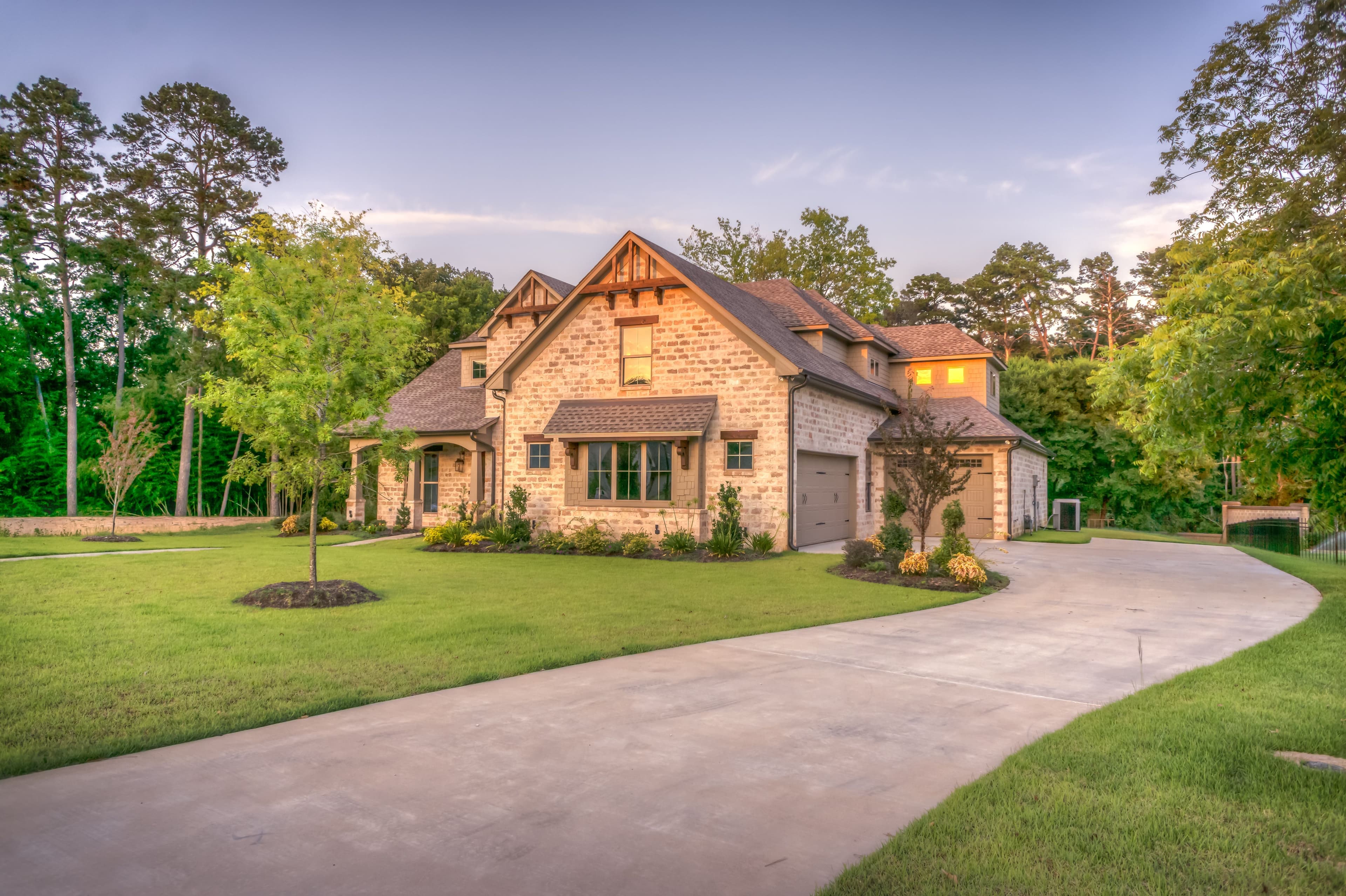
RM-1 is one of the most common multi-family districts in Philadelphia. If you invest in duplexes, triplexes, or small multi-unit buildings, you will run into it constantly.

Before you write an offer on any Philadelphia property, you need to know exactly what the zoning allows. The Philadelphia Atlas is the fastest way to check it yourself.
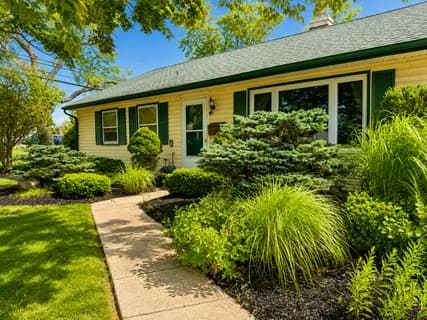
Explore 805 Henry Avenue, a three bedroom ranch home in Warminster with one level living, a fenced backyard, a cement patio, and practical updates for everyday comfort.
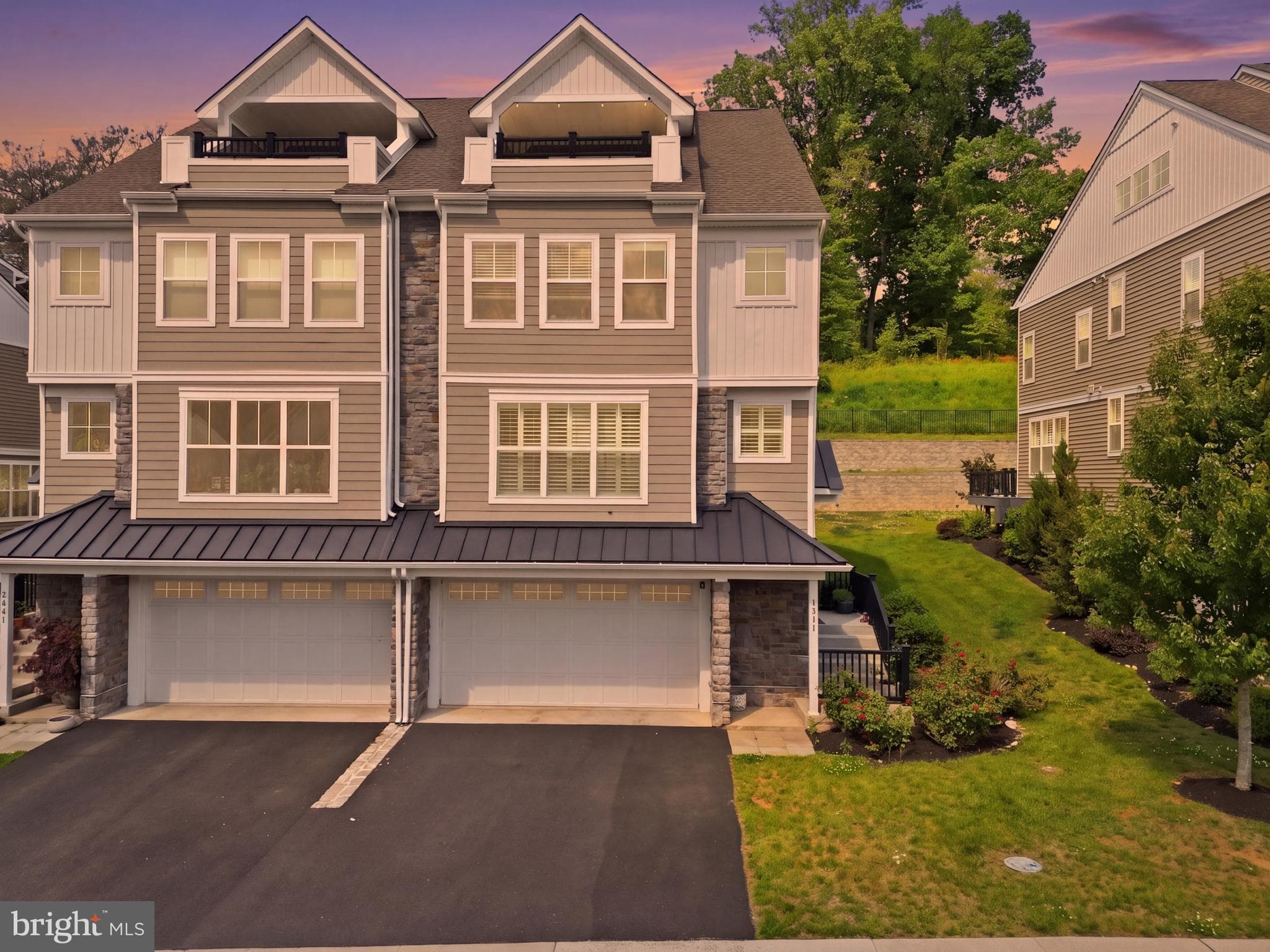
3059 Marias Way is now recorded as sold. This result post preserves the status change while connecting readers to the permanent original Garnet Valley listing story.
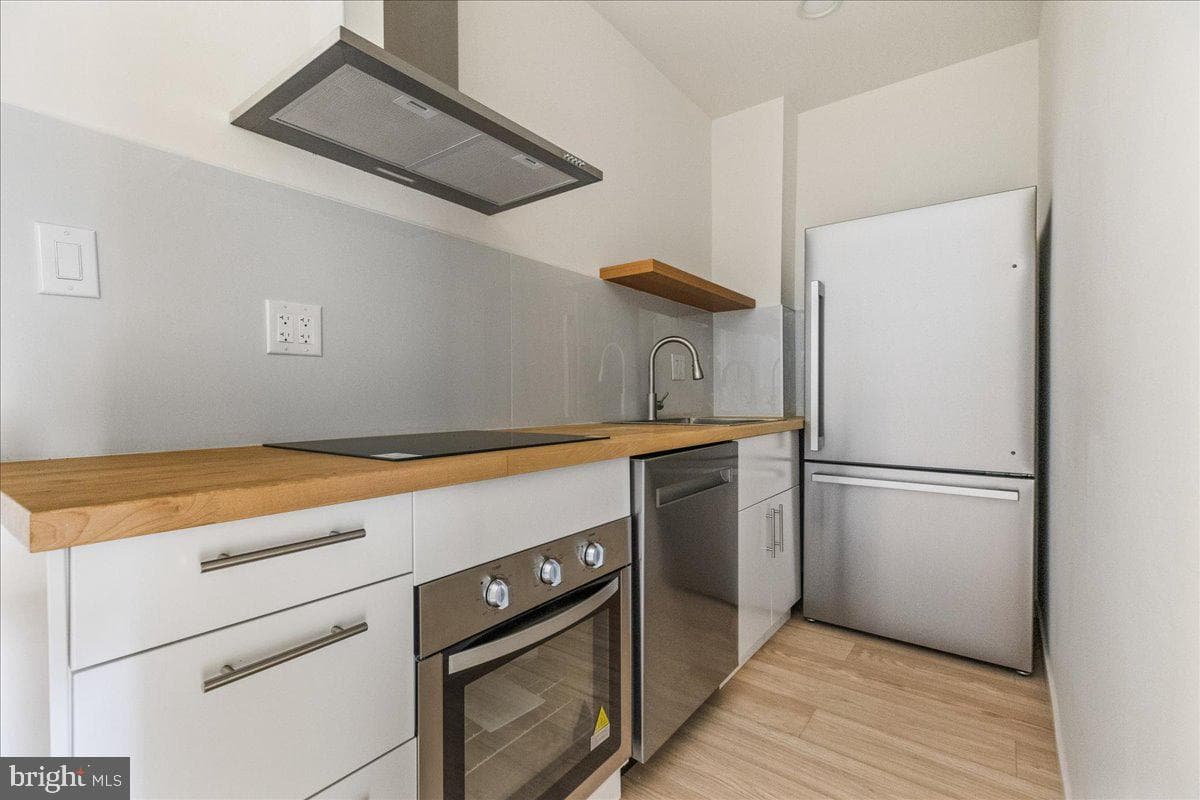
3907 Spring Garden Street, Unit 3, Philadelphia, PA 19104 was offered for rent at $1,795/mo. Review the verified layout, features, lease questions, application planning, and University City location considerations.
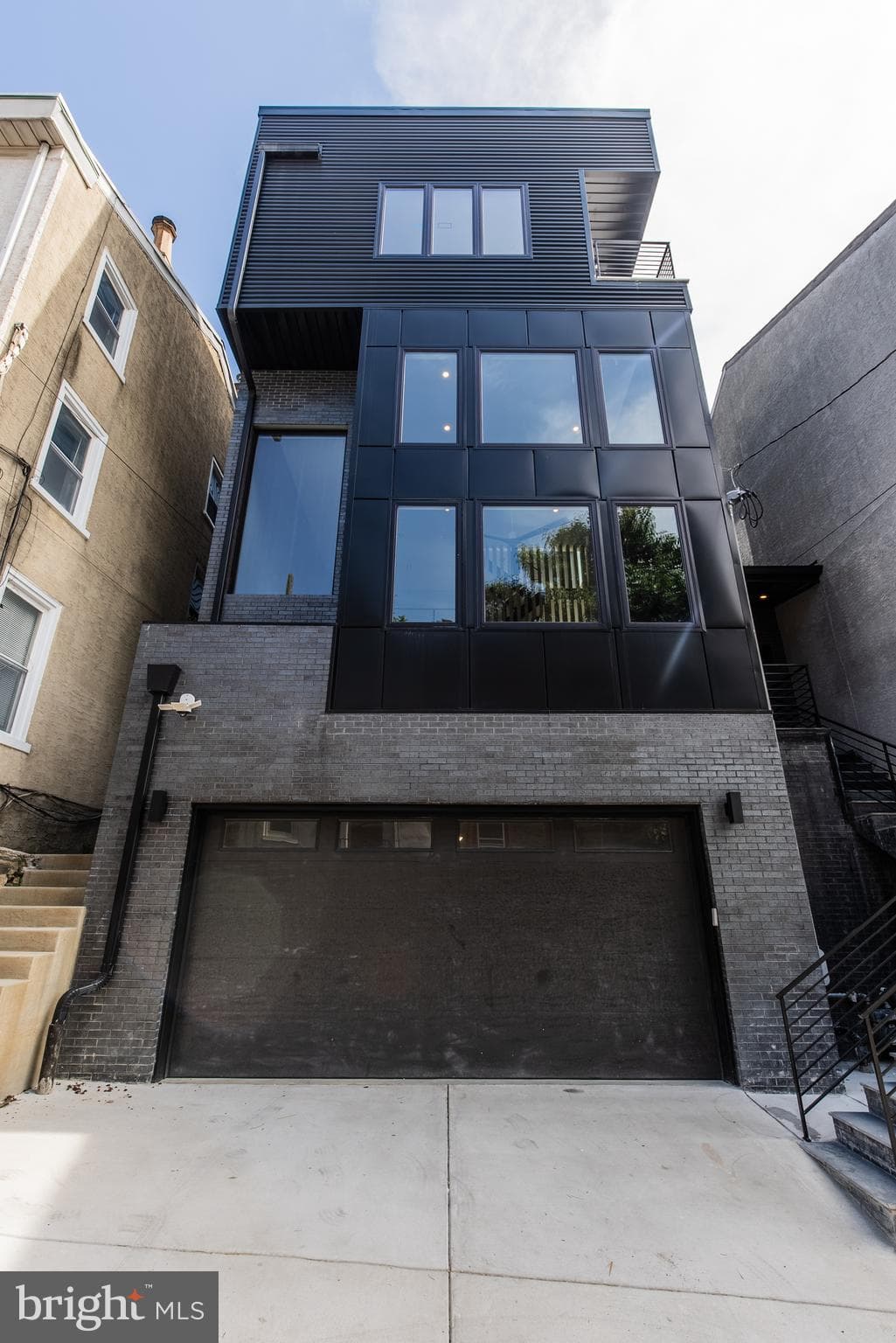
4513 Baker Street, Philadelphia, PA 19127 was offered for rent at $12,500/mo. Review the verified layout, features, lease questions, application planning, and Manayunk location considerations.
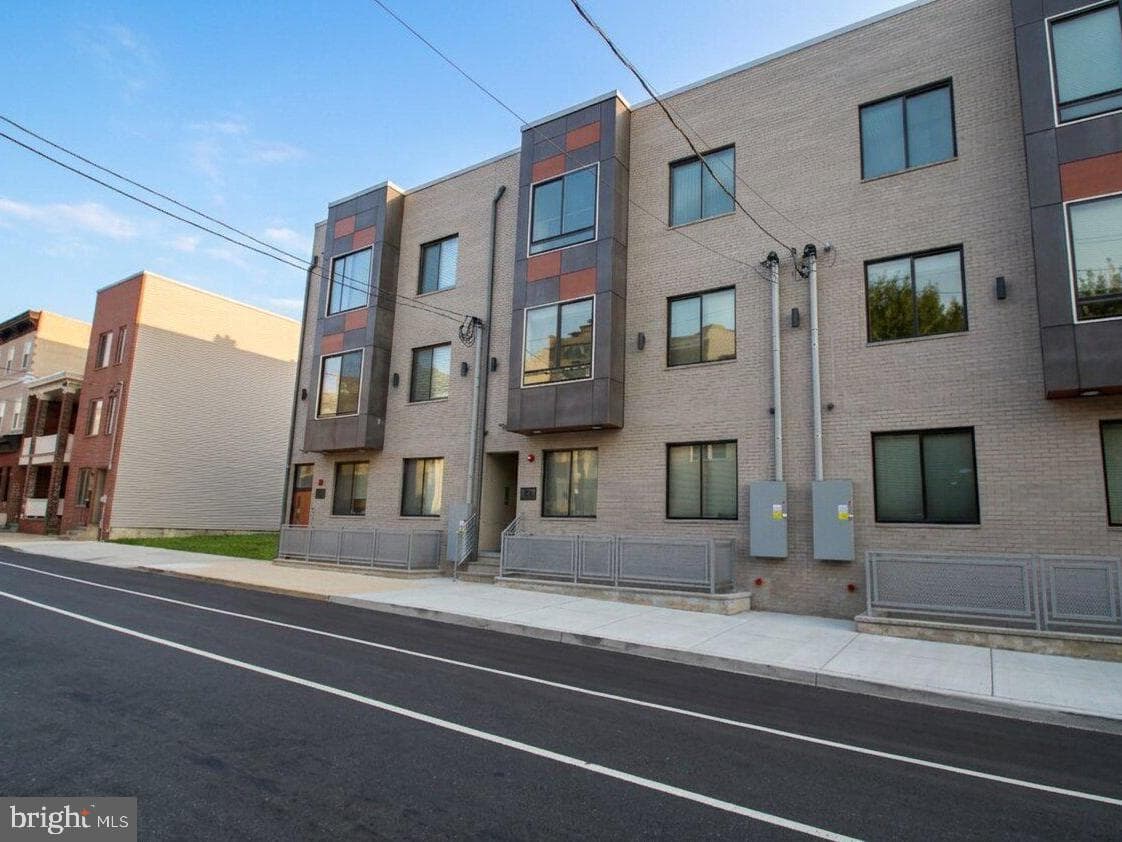
3718 Haverford Avenue, Unit 1R, Philadelphia, PA 19104 was offered for rent at $2,800/mo. Review the verified layout, features, lease questions, application planning, and University City location considerations.
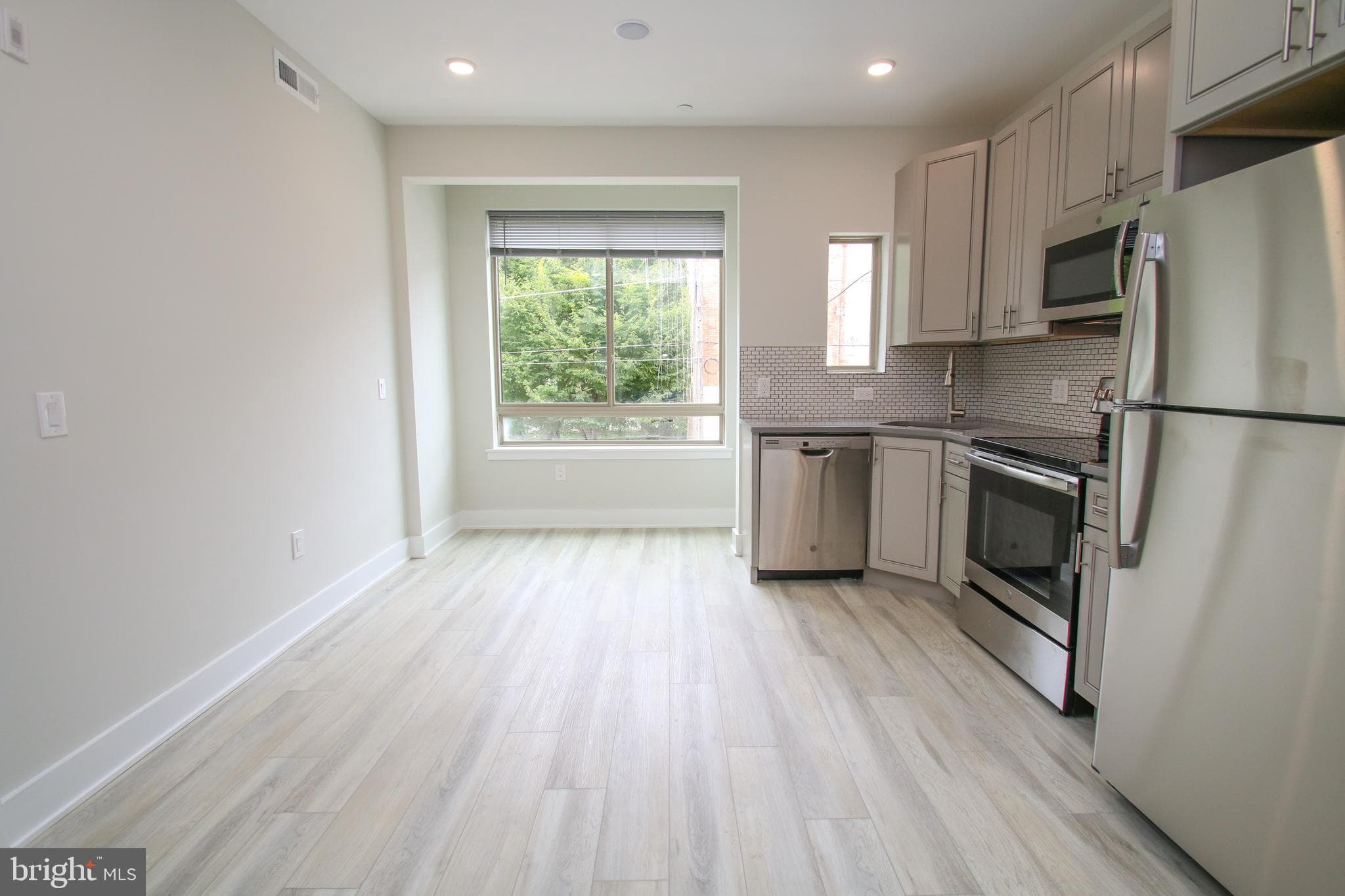
3718 Haverford Avenue, Unit 2F, Philadelphia, PA 19104 was offered for rent at $2,200/mo. Review the verified layout, features, lease questions, application planning, and University City location considerations.
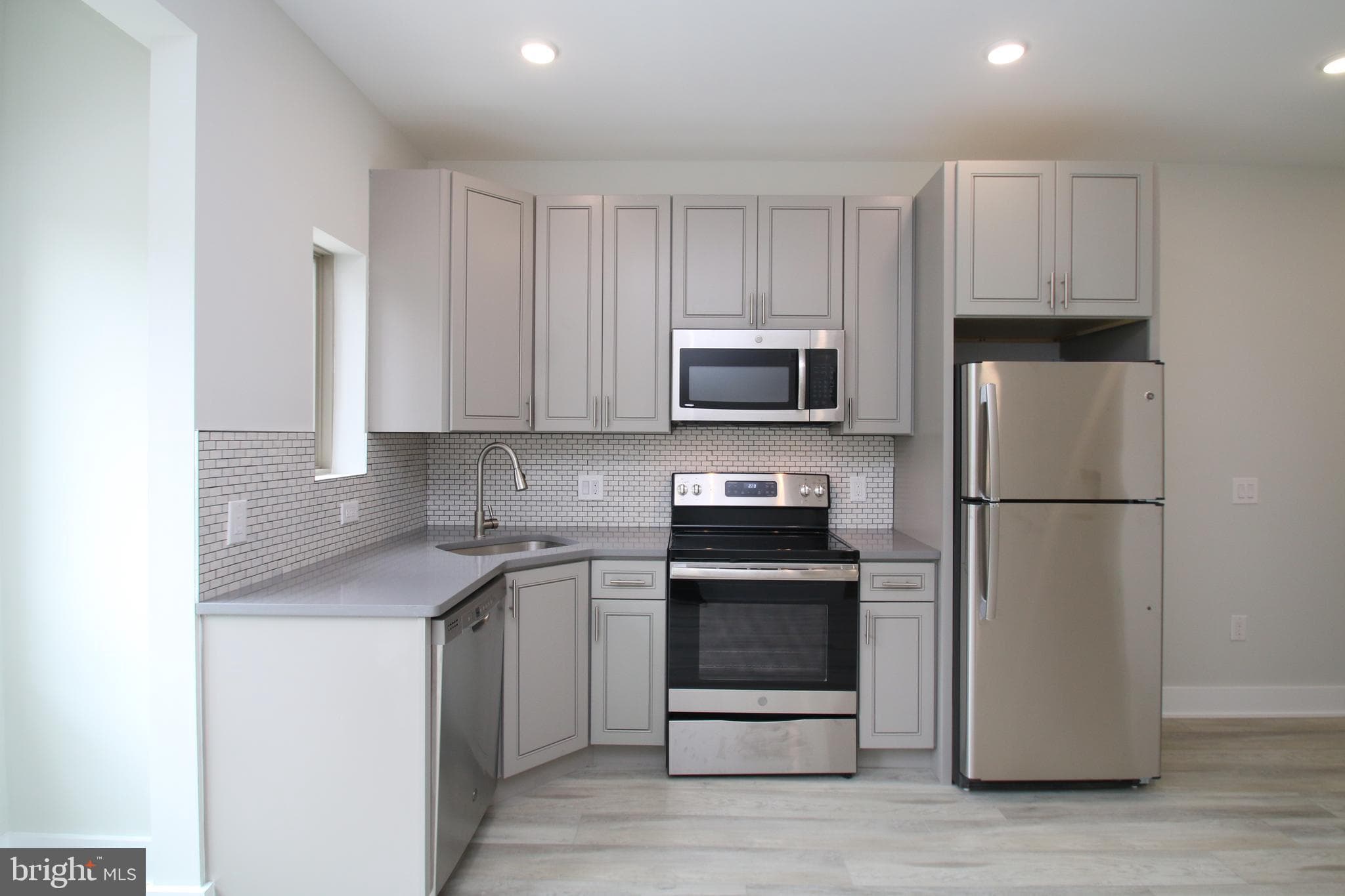
3718 Haverford Avenue, Unit 2R, Philadelphia, PA 19104 was offered for rent at $1,995/mo. Review the verified layout, features, lease questions, application planning, and University City location considerations.
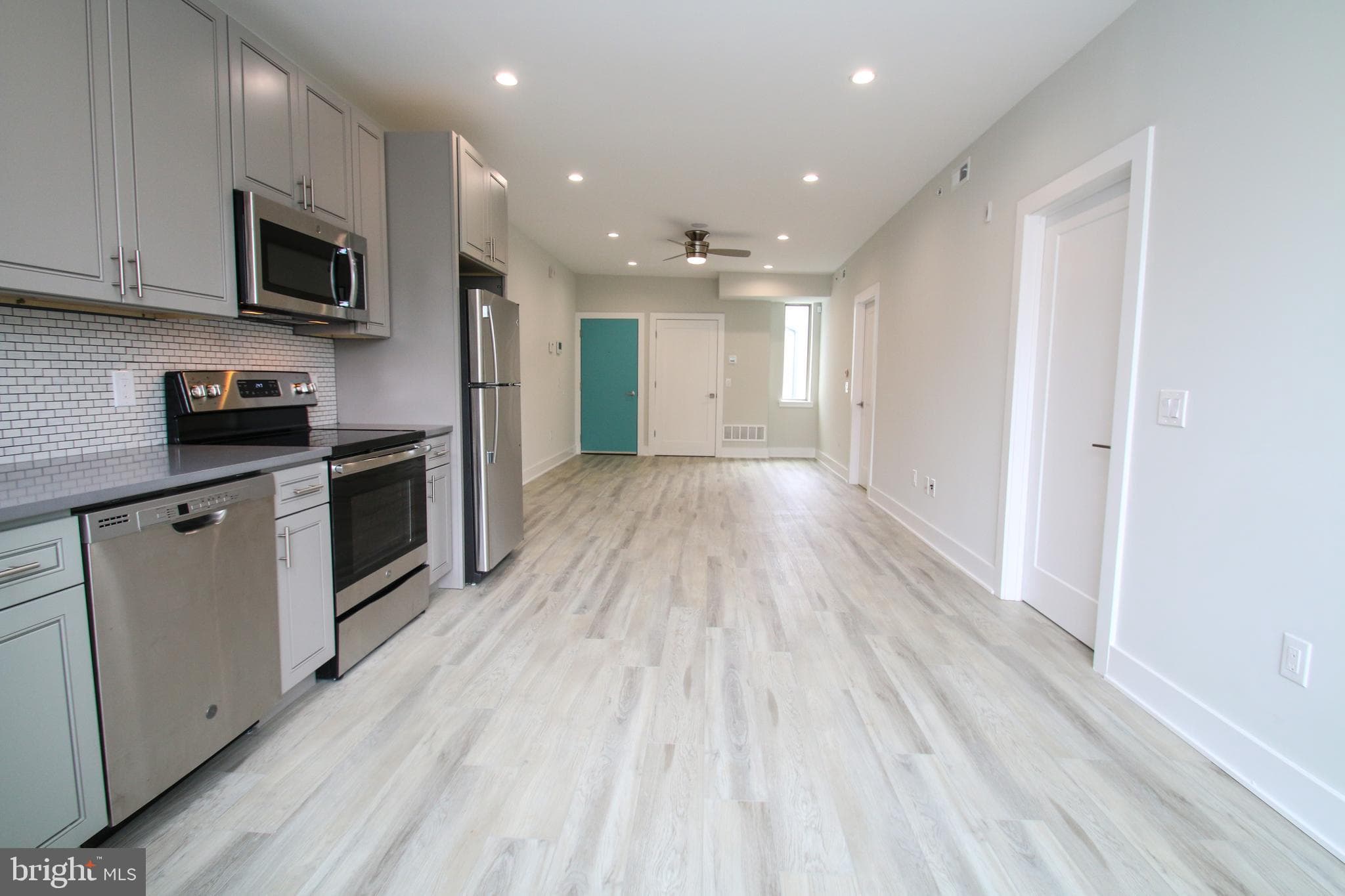
3718 Haverford Avenue, Unit 3R, Philadelphia, PA 19104 was offered for rent at $1,800/mo. Review the verified layout, features, lease questions, application planning, and University City location considerations.
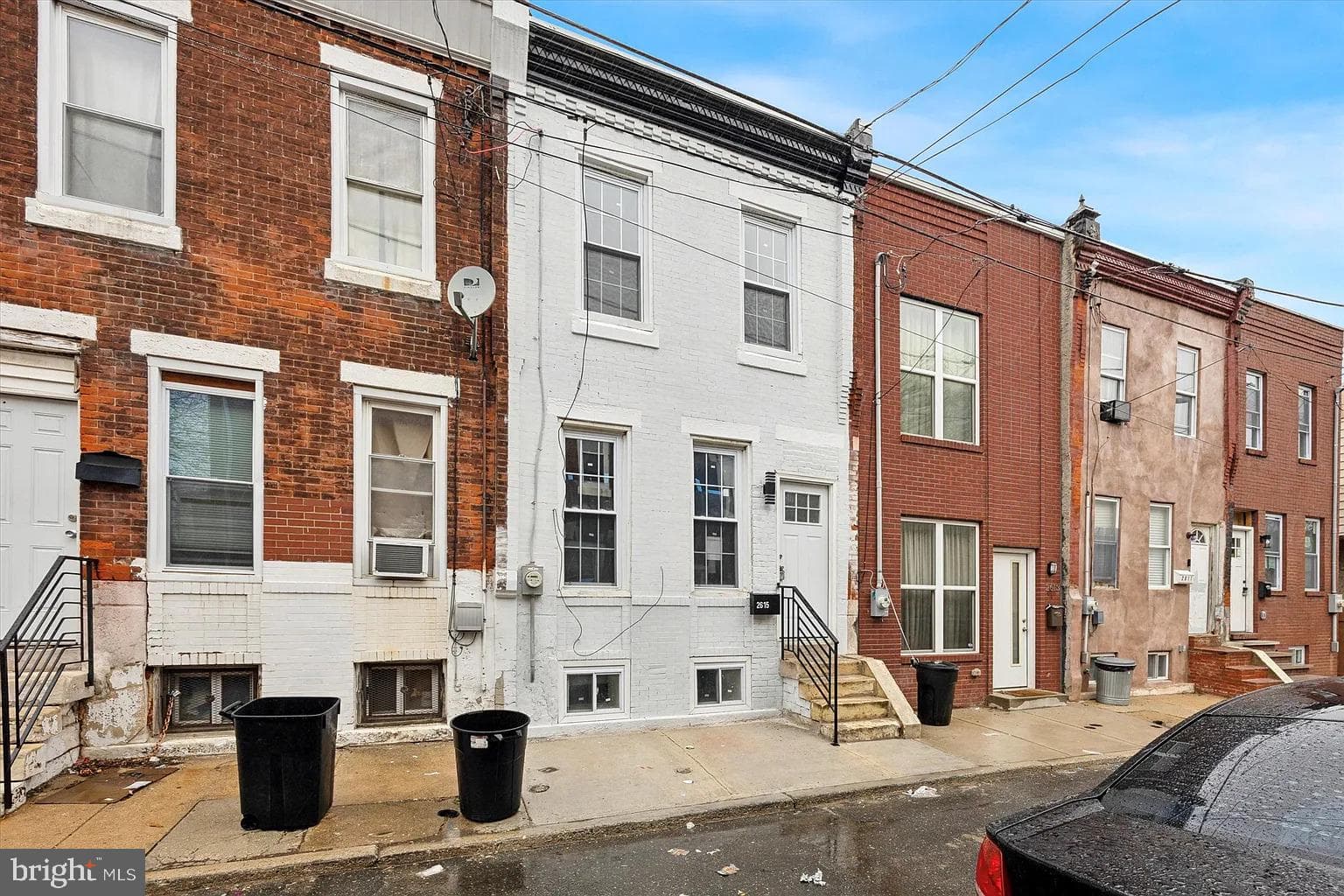
2615 Earp Street, Philadelphia, PA 19146 was offered for rent at $1,975/mo. Review the verified layout, features, lease questions, application planning, and Grays Ferry location considerations.

Most buyers work with a realtor. Most investors hire a contractor. I do both simultaneously, which catches problems and opportunities that specialists miss.
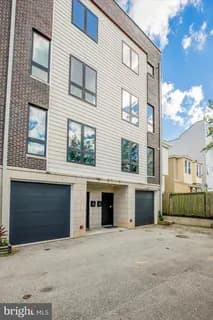
3831 Terrace Street, Unit I, Philadelphia, PA 19128 was presented at $669,000 as a townhome. Review the listing facts, due diligence priorities, pricing questions, and ownership considerations.

Philadelphia buyers have more help available than most people realize. In this guide I summarize the major city, state, and lender programs, explain how to stack assistance correctly, and show the process I use to help buyers avoid costly mistakes.
I use a 12-point due diligence framework before recommending any Philadelphia neighborhood to buyers. This framework catches the problems that incomplete analysis misses.
Some Philadelphia neighborhood red flags are visible. Others are hidden until you know what to look for. I teach buyers to spot both realtor-level red flags and contractor-level red flags before they make an offer.

Brewerytown and Strawberry Mansion are both improving neighborhoods with strong cash flow potential for investors, but they have different risk profiles. I help investors read risk signals to find where the genuine opportunity is.
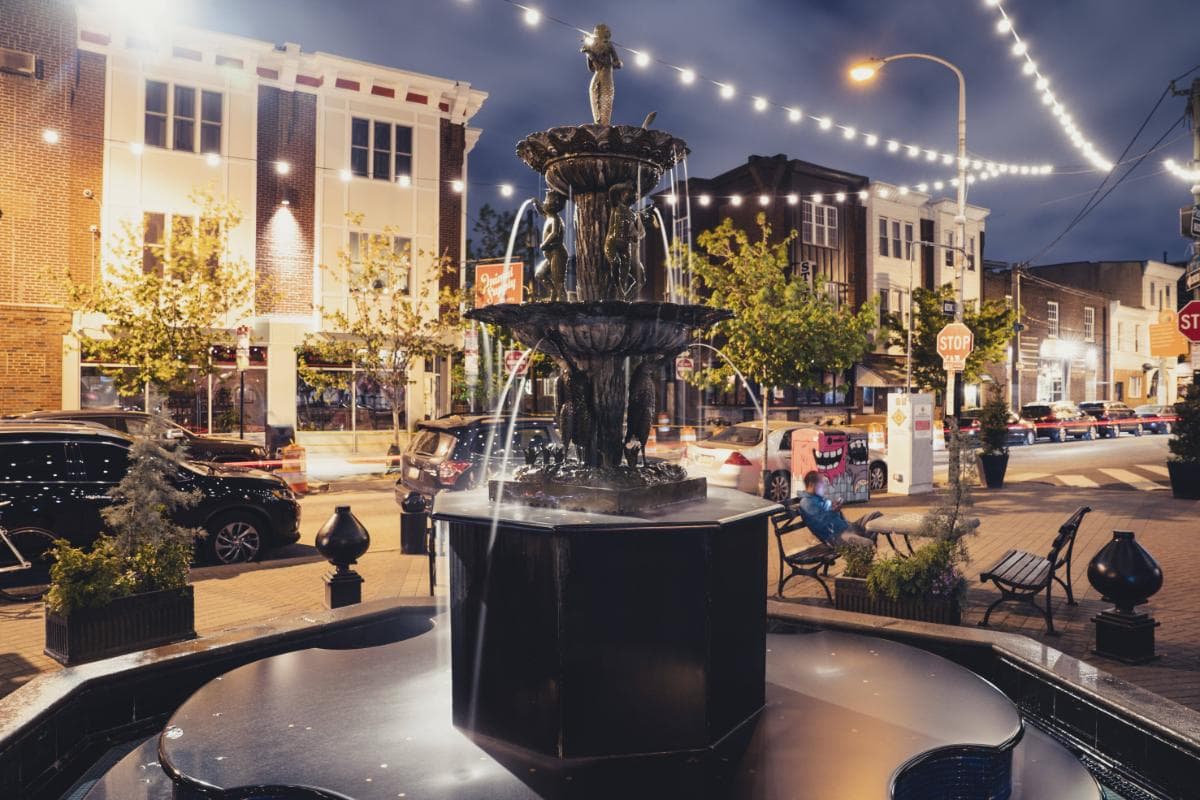
South Philadelphia rowhomes offer good value if you read block signals carefully. I teach buyers how to spot genuine value blocks before paying premium prices for neighborhoods riding hype.
Chestnut Hill and Mount Airy are both excellent family neighborhoods with good schools, low crime, and space. Chestnut Hill is more expensive and more affluent. Mount Airy is slightly cheaper and more diverse. Both are excellent for long-term holds.
Fairmount and Francisville are adjacent neighborhoods with different price trajectories and different block quality patterns. I help buyers read the signals that tell you which blocks are genuine values and which blocks are just marketed as hot.
East Passyunk and Bella Vista are both walkable neighborhoods with young professional communities, but they have different character and different appreciation potential. I help buyers understand which neighborhood aligns with their lifestyle and financial goals.
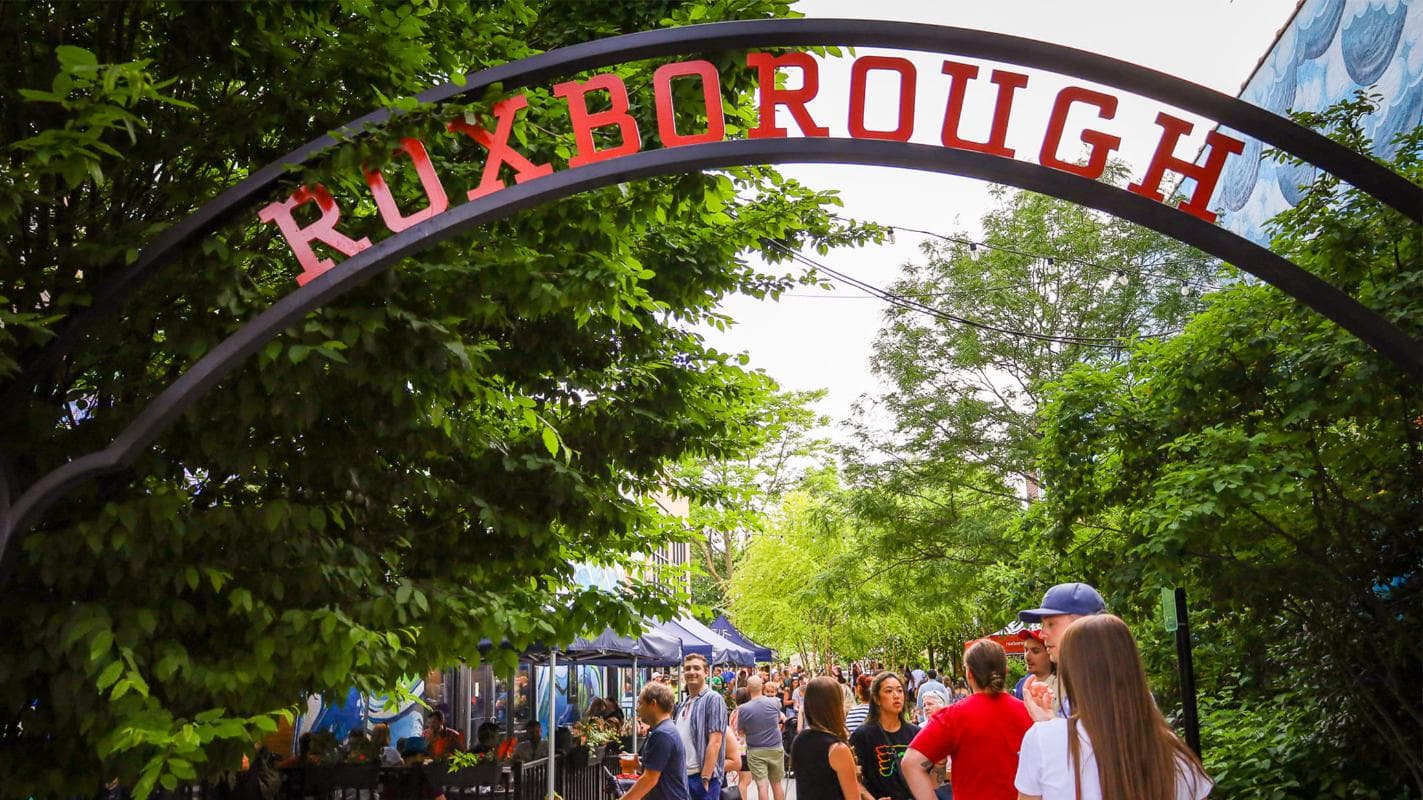
Roxborough and Manayunk are both suburban-feeling neighborhoods within Philadelphia, but they have different prices, different commute patterns, and different property types. I help buyers understand which neighborhood fits their priorities.
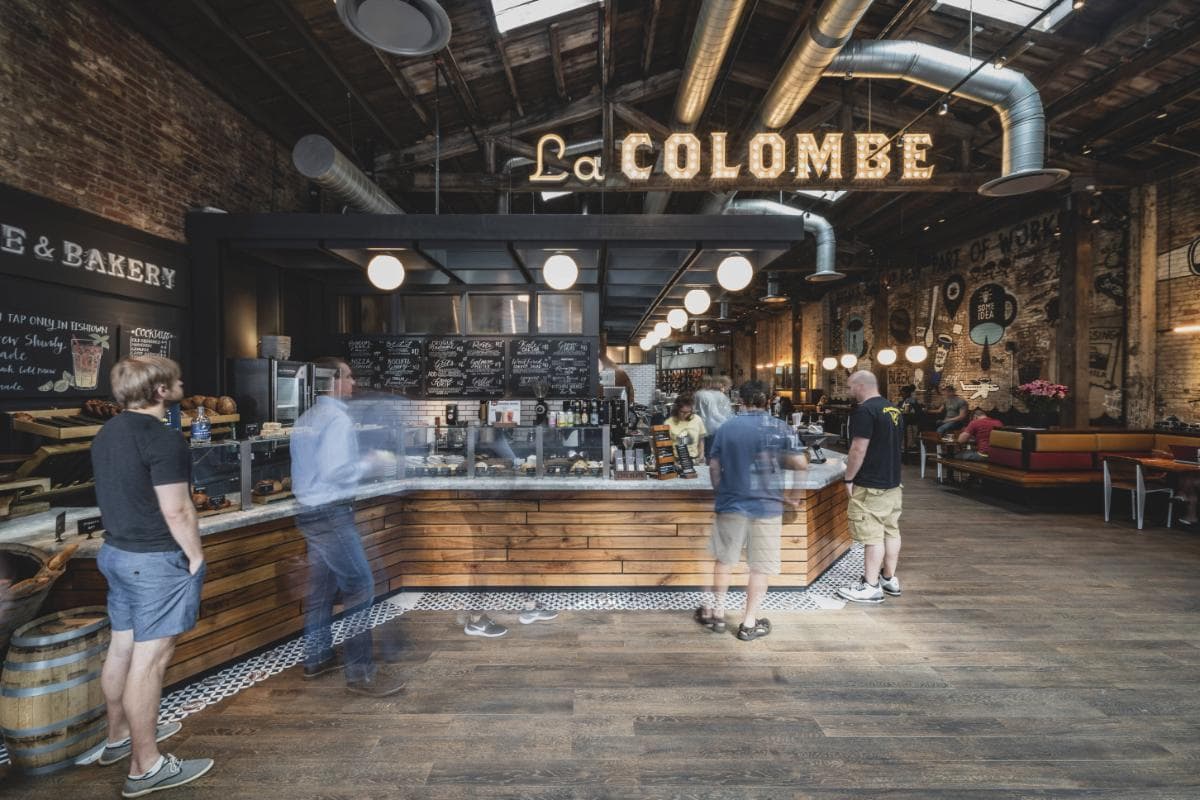
Fishtown and Northern Liberties are Philadelphia's two most walkable neighborhoods. Both are expensive, but Fishtown is more walkable while Northern Liberties feels more established. I help buyers understand which neighborhood actually fits their lifestyle and financial situation.
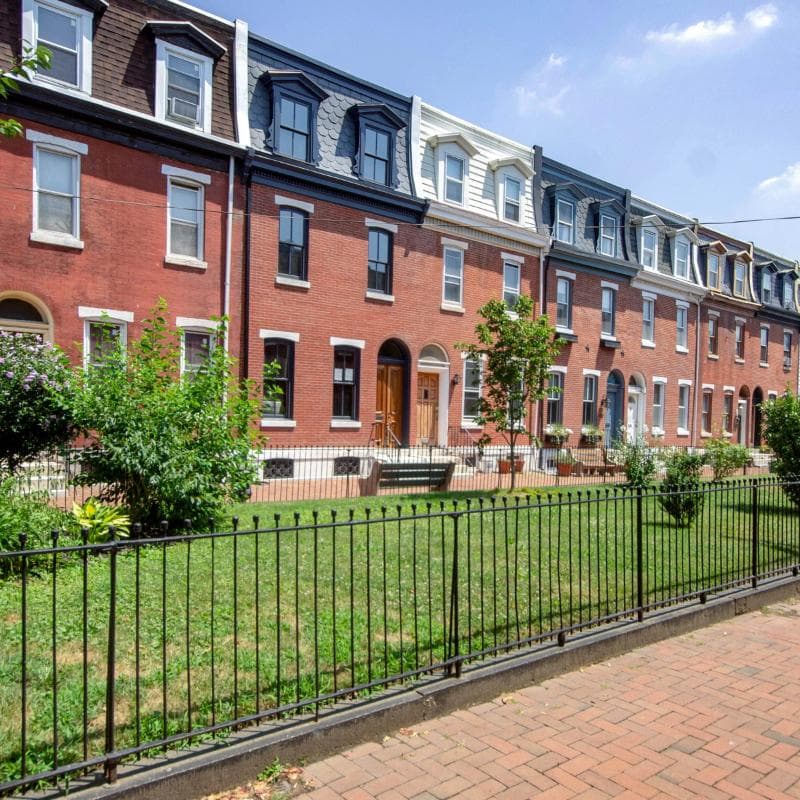
Point Breeze and Graduate Hospital are both appreciating neighborhoods, but they serve different buyer profiles. I help buyers and investors understand which neighborhood fits their timeline and strategy.
Families need neighborhoods with space, good schools, safe streets, and reasonable commute access. I help families find Philadelphia neighborhoods where they can raise kids without feeling like they are living in the city.
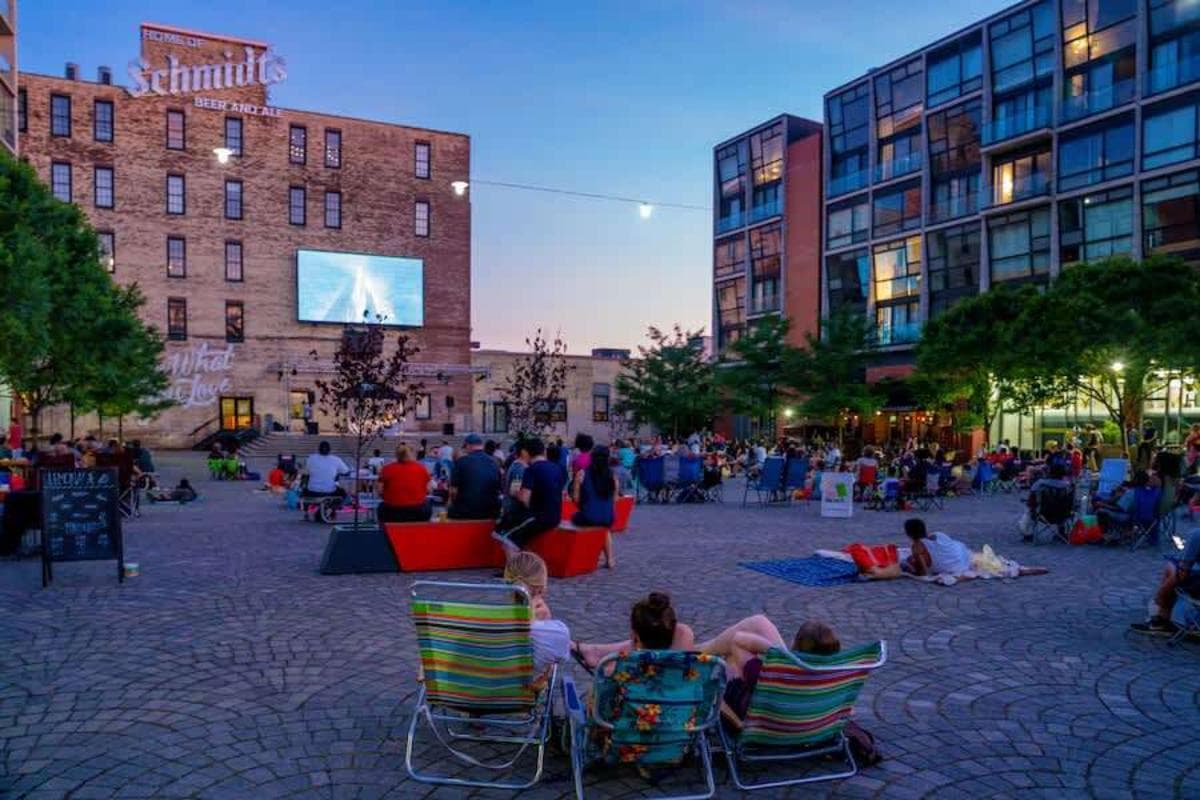
Young professionals prioritize walkability, nightlife, transit access, and community. Fishtown, Northern Liberties, East Passyunk, and Bella Vista deliver on all four, with strong buyer communities and appreciation patterns.
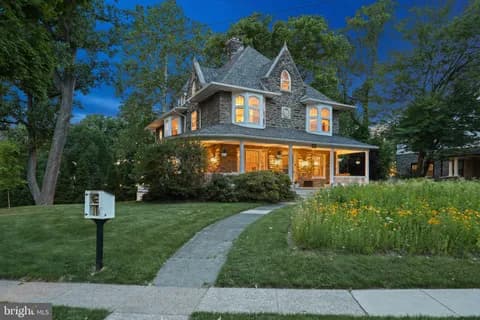
329 Pelham Road, Philadelphia, PA 19119 sold on July 23, 2026 for $1,620,000. Review the original offering, verified result, property features, and lessons for future sellers.
House hacking means buying a multi-unit property, living in one unit, and renting the others to cover your mortgage. The best neighborhoods for this strategy are neighborhoods with strong rent support and decent renovation condition.

The best neighborhoods for rental property investors have strong rent-to-price ratios, active tenant demand, and structural conditions that do not require constant repair. I help investors find neighborhoods where the DSCR math works and where property management is reasonable.
First-time buyers need neighborhoods where prices do not overheat, where rent support exists if your situation changes, and where you can actually enjoy living while you build equity. I help first-timers pick neighborhoods that work financially, not just emotionally.
Safety means different things depending on which data you read. I help buyers separate real crime patterns from fear-based perception, and identify neighborhoods where safety is genuine and where it is just marketing talk.
Most neighborhood maps show boundaries, but they do not show you the variation within neighborhoods. I teach buyers to read the real map: tax assessment patterns, sale price variation, structural risk by block, and crime data that actually matters.
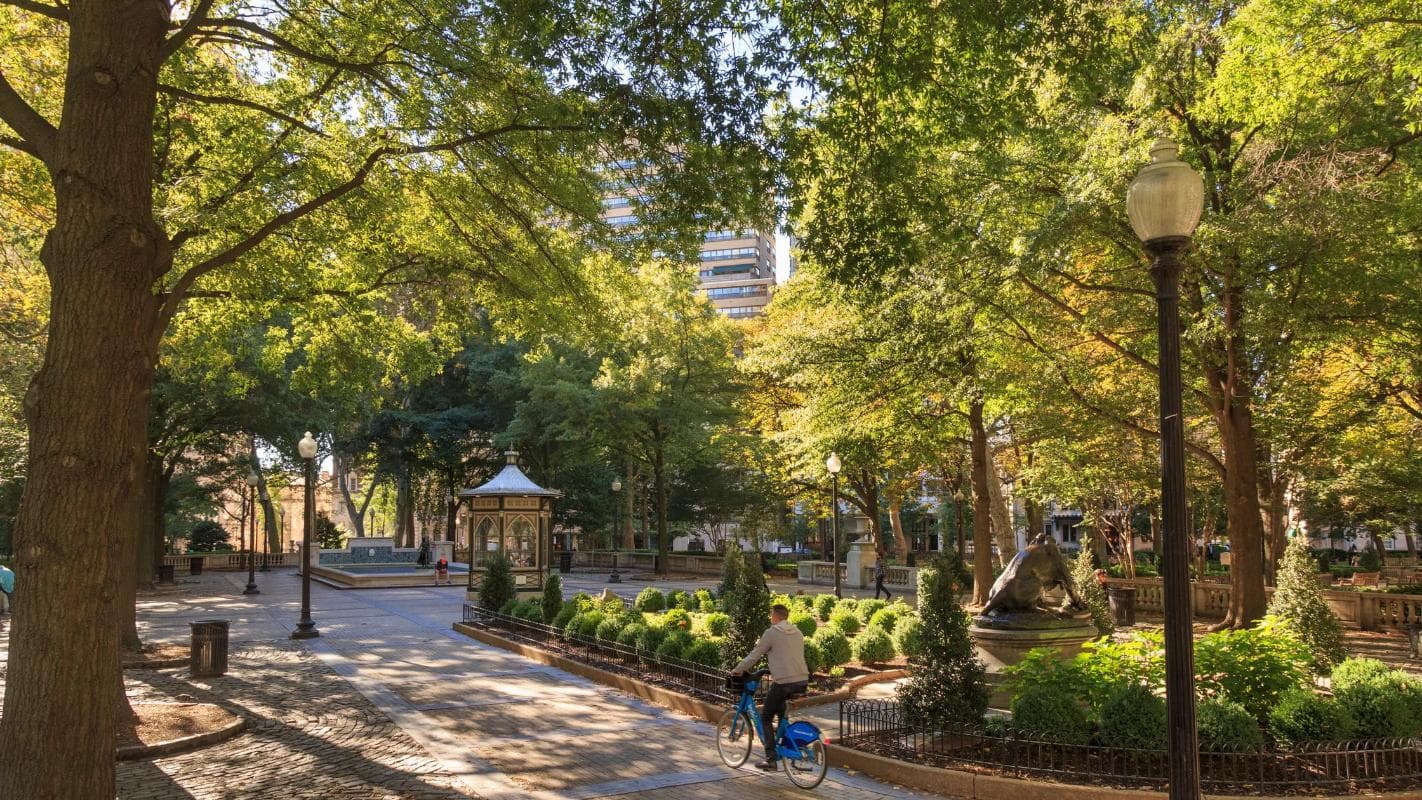
Philadelphia neighborhoods cluster into clear buyer profiles by price point, lifestyle, and long-term strategy. I help buyers map their budget and goals to the neighborhoods where they will actually enjoy living and where the property will perform financially.
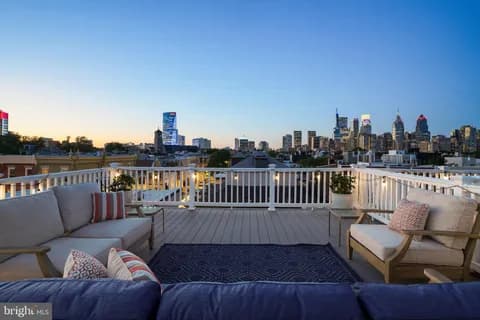
2246 Christian Street, Philadelphia, PA 19146 was presented at $1,085,000 as a home. Review the listing facts, due diligence priorities, pricing questions, and ownership considerations.
Philadelphia has 40 distinct neighborhoods, each with different buyer profiles, risk profiles, and long-term value trajectories. I help buyers and investors navigate the choice by looking at block quality, price momentum, and your actual daily life fit, not just what the listing agents are saying.

Yes, Philadelphia requires a rental license for most long-term rentals. I help landlords understand when the license is required, what can block it, and how to get compliant before they advertise or lease the property.

If you need a Philadelphia rental license, the process is not hard, but the order matters. I help landlords handle the tax account, CAL, RLSI form, required documents, and final application so they can get approved faster.
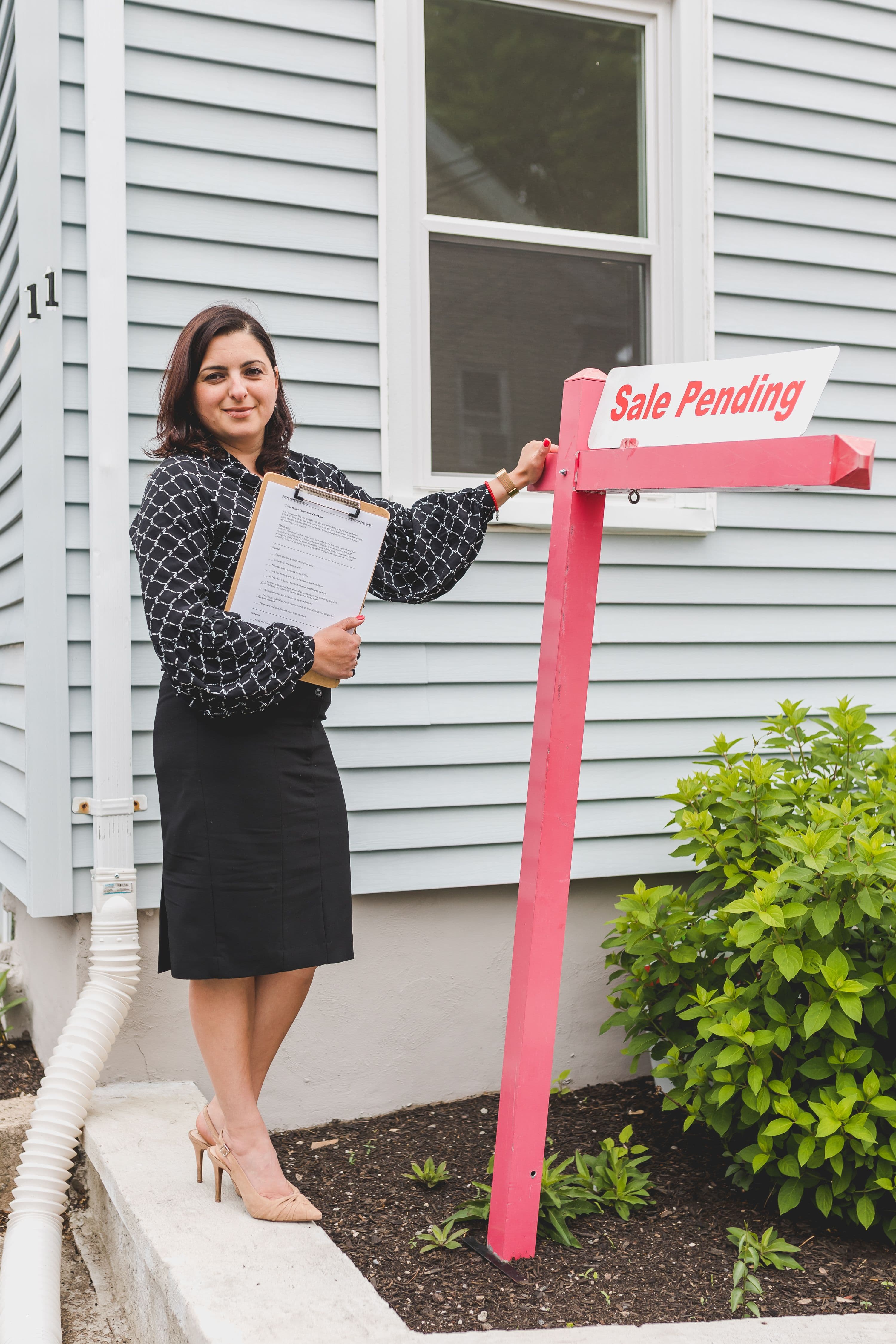
In Philadelphia, you can verify a rental license through the city's Atlas or L and I property history tools. I also explain why landlords should check their own status before lease signing so there are no surprises.

A Philadelphia rental license can move in about five business days once the application is complete, but the real timeline is usually longer because tax, lead, and document preparation happen first. I help landlords shorten the process by organizing the file before submission.

Becoming a landlord in Philadelphia means more than buying a property and finding a tenant. I help owners set up the tax accounts, license path, documents, and move in paperwork so the rental starts on the right side of city compliance.

The Certificate of Rental Suitability is one of the documents landlords need at lease signing in Philadelphia. I help owners generate it correctly after the rental license is approved and package it with the city handbooks and acknowledgment form.

House flip profit in Philadelphia depends on buy price discipline, rehab scope, and holding costs. This guide breaks down the 70 percent rule, real local cost assumptions, and how to estimate profit before you submit an offer.

The comparable sales approach is the framework I use to price a home from the market's point of view, not from wishful thinking. It helps sellers see what buyers are comparing, what the home can realistically achieve, and what should be improved before launch.
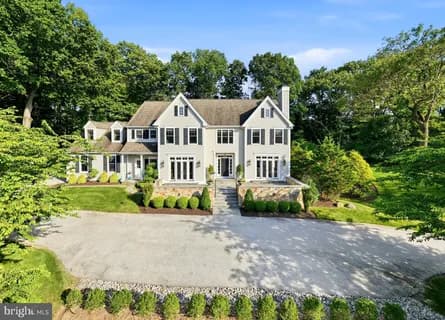
640 Narcisi Lane, Wayne, PA 19087 sold on July 15, 2026 for $2,400,000. Review the original offering, verified result, property features, and lessons for future sellers.
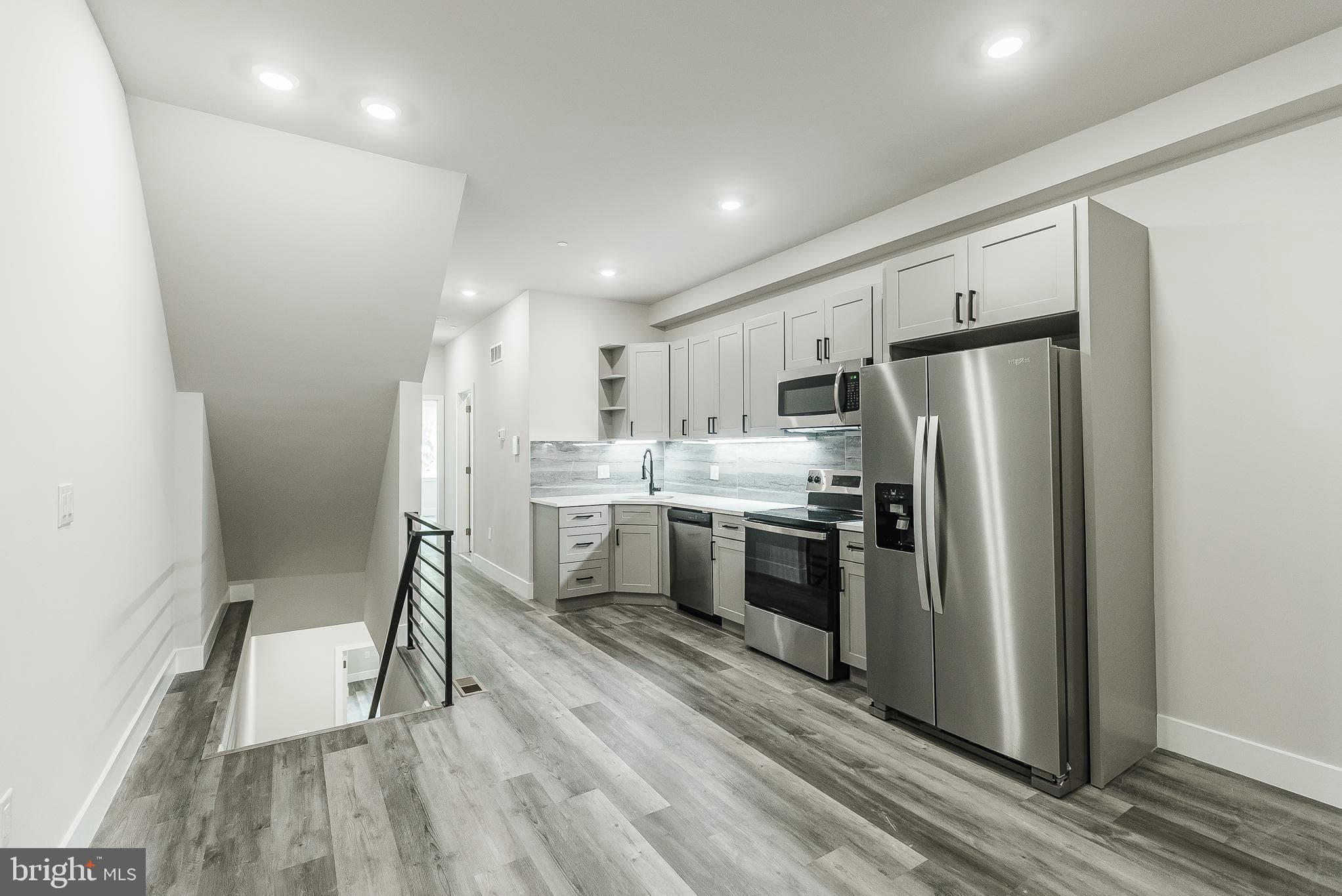
3608 Melon Street, Unit 1, Philadelphia, PA 19104 was offered for rent at $2,400/mo. Review the verified layout, features, lease questions, application planning, and University City location considerations.
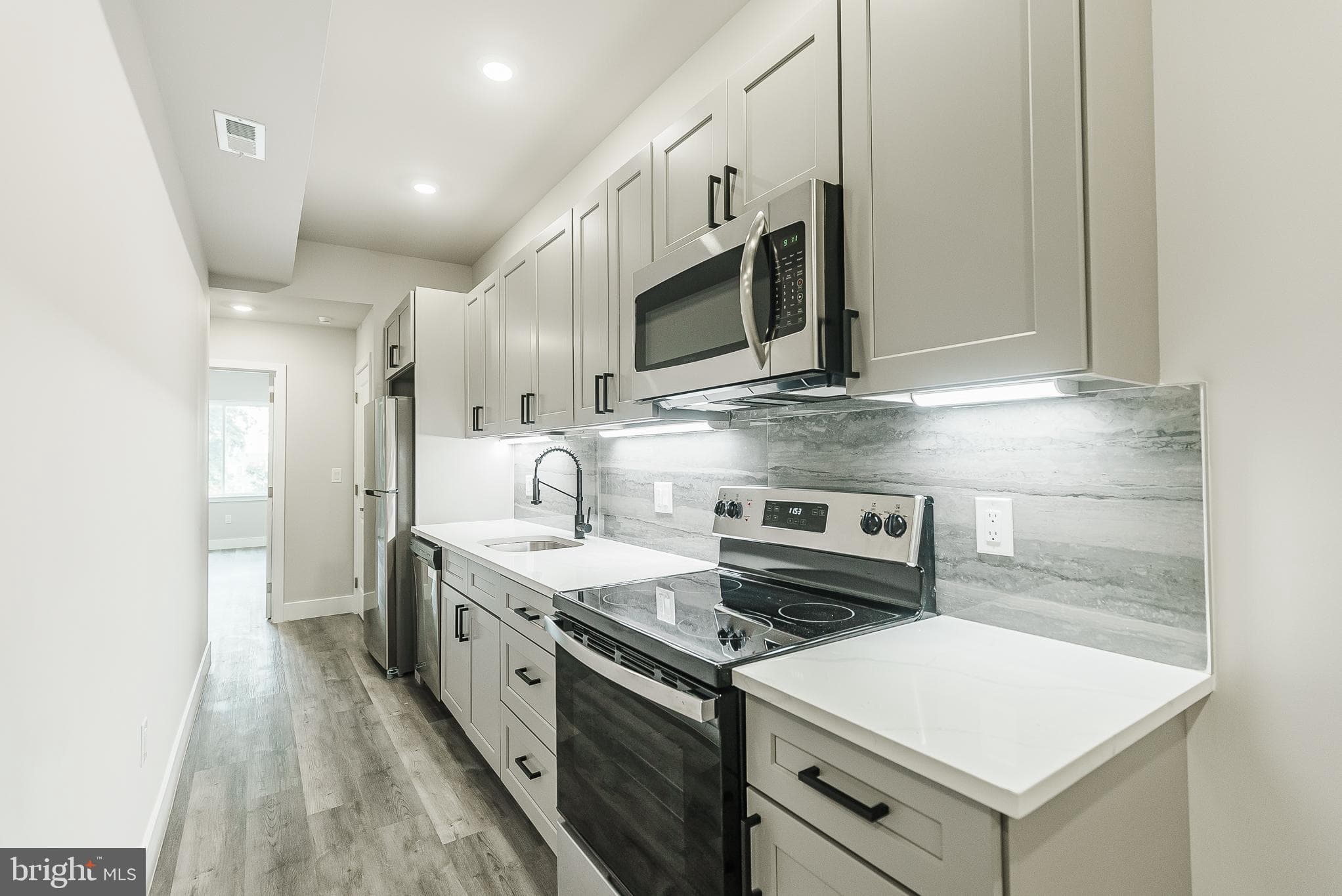
3608 Melon Street, Unit 2, Philadelphia, PA 19104 was offered for rent at $1,595/mo. Review the verified layout, features, lease questions, application planning, and University City location considerations.
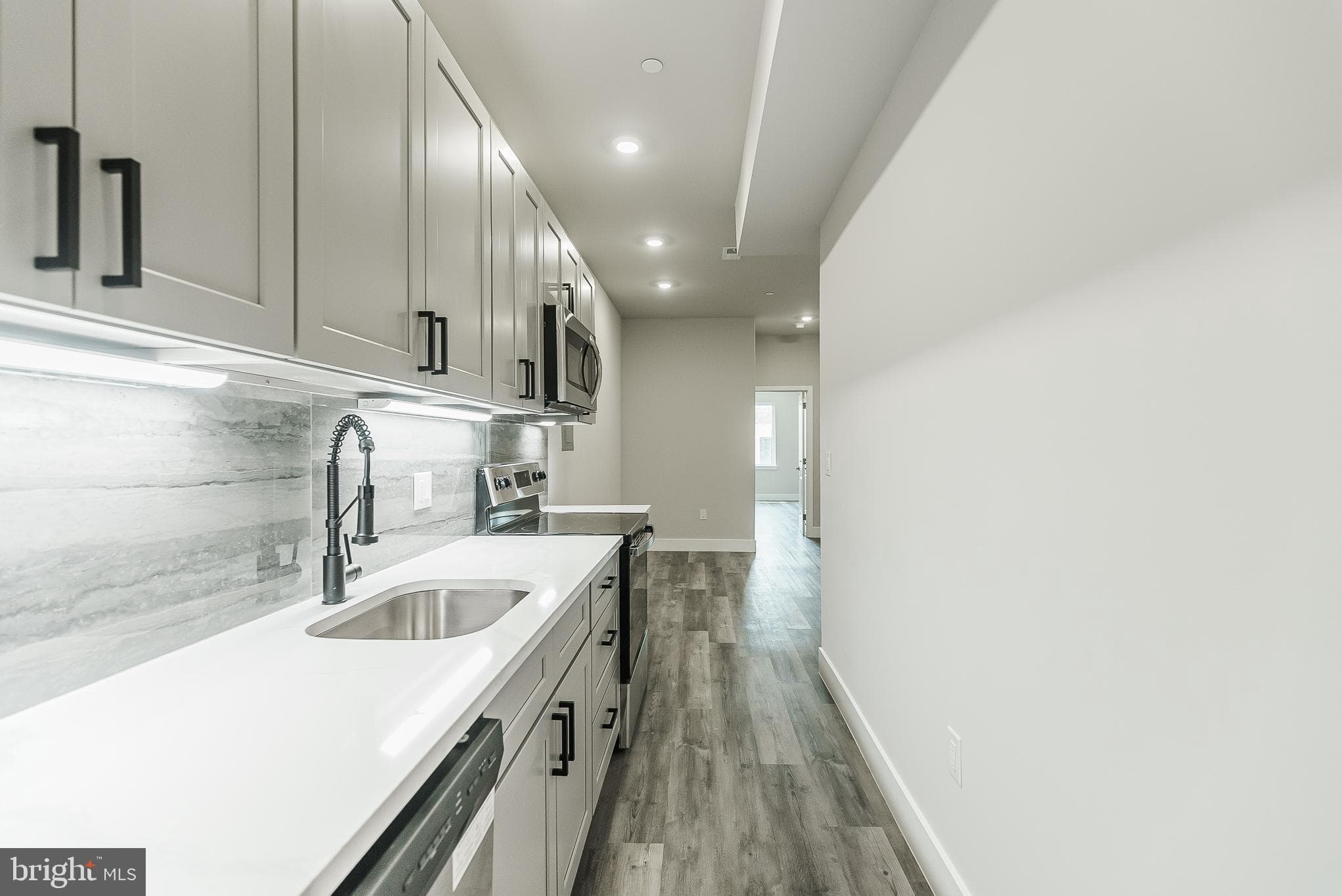
3608 Melon Street, Unit 3, Philadelphia, PA 19104 was offered for rent at $1,595/mo. Review the verified layout, features, lease questions, application planning, and University City location considerations.
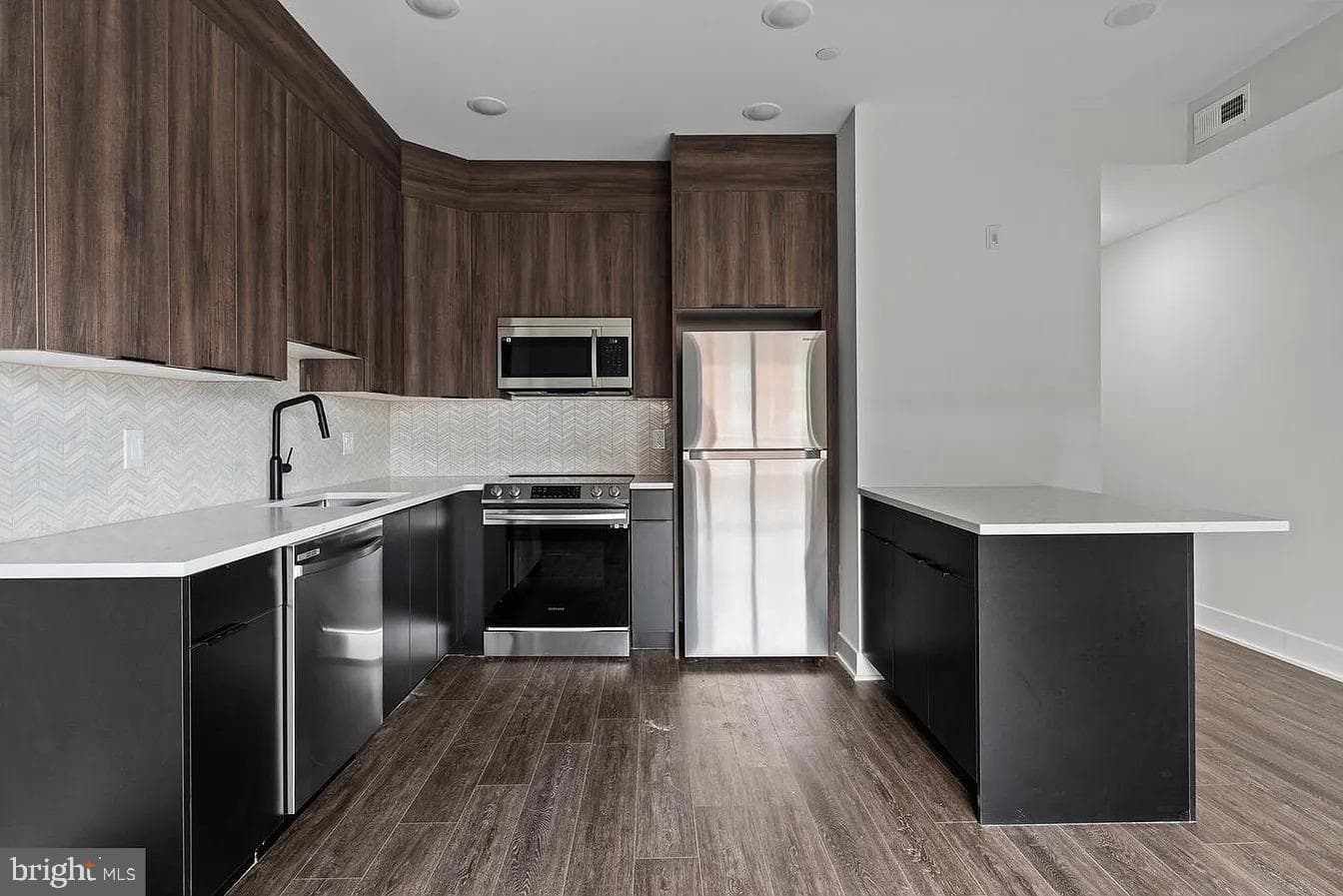
2146 North Front Street, Unit 3, Philadelphia, PA 19122 was offered for rent at $2,595/mo. Review the verified layout, features, lease questions, application planning, and Norris Square and East Kensington location considerations.
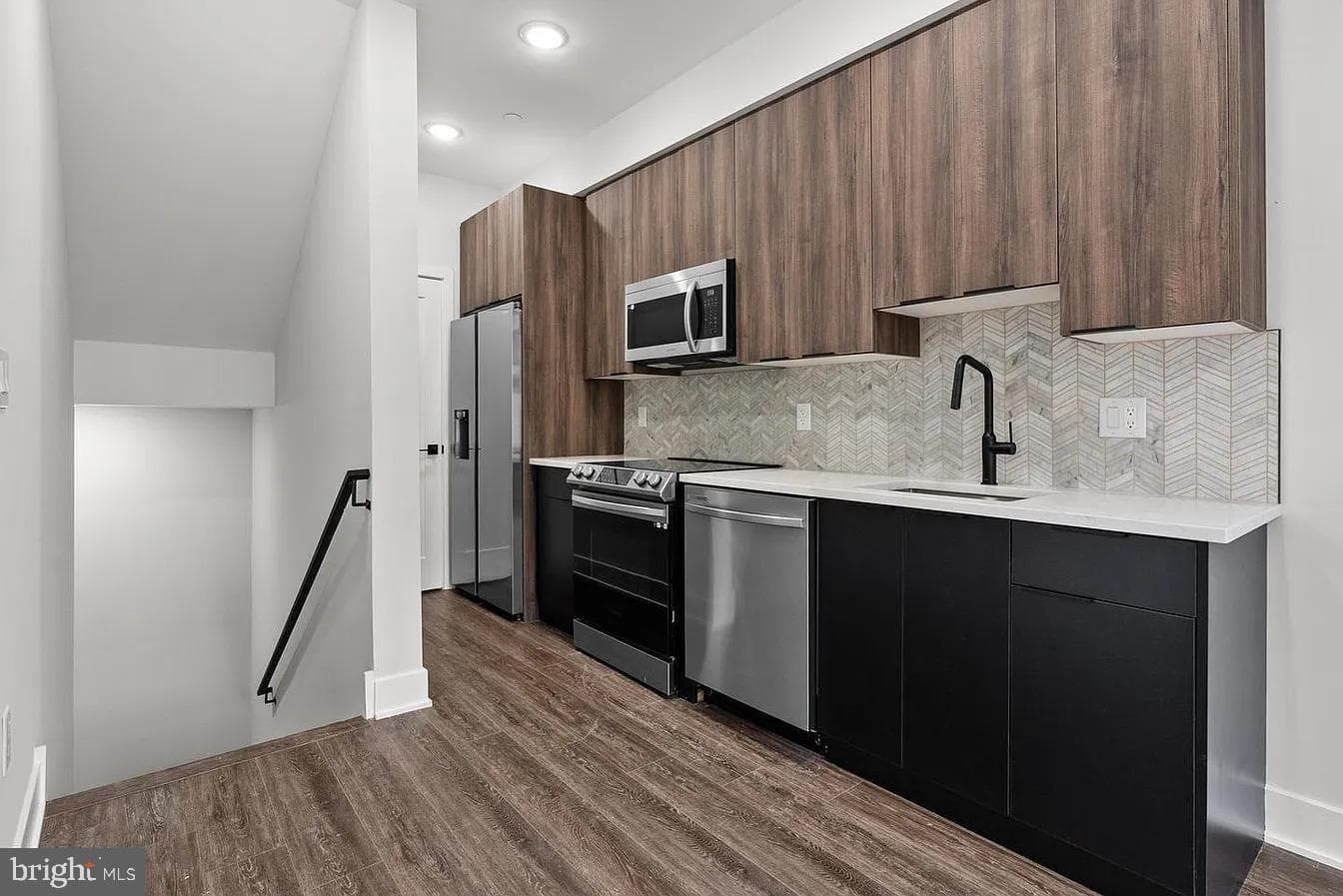
2146 North Front Street, Unit 1, Philadelphia, PA 19122 leased on June 4, 2026 for $1,695 per month. Review the original offering, verified result, property features, and lessons for future landlords.

Qualifying for a DSCR loan is easier when you prepare like a lender: confirm your ratio targets, document rent support, protect reserves, and choose the right asset profile before making offers.

DSCR loans can be a strong scaling tool, but the tradeoff is usually higher financing cost and tighter reliance on property income metrics.

A bad DSCR ratio is one that leaves no margin for normal operating volatility and turns a manageable rental into a fragile one.

DSCR qualification is often simpler than conventional investment lending, but it still requires strong deal fundamentals and clean borrower profile.

DSCR loans are not inherently bad, but they can become risky when investors overpay, overestimate rent, or ignore reserve planning.

A good DSCR ratio depends on your strategy, but most investors should target a buffer above lender minimums to reduce refinance and vacancy risk.

DSCR loans are not always 20% down. Required equity depends on DSCR strength, credit score, property type, and loan program.
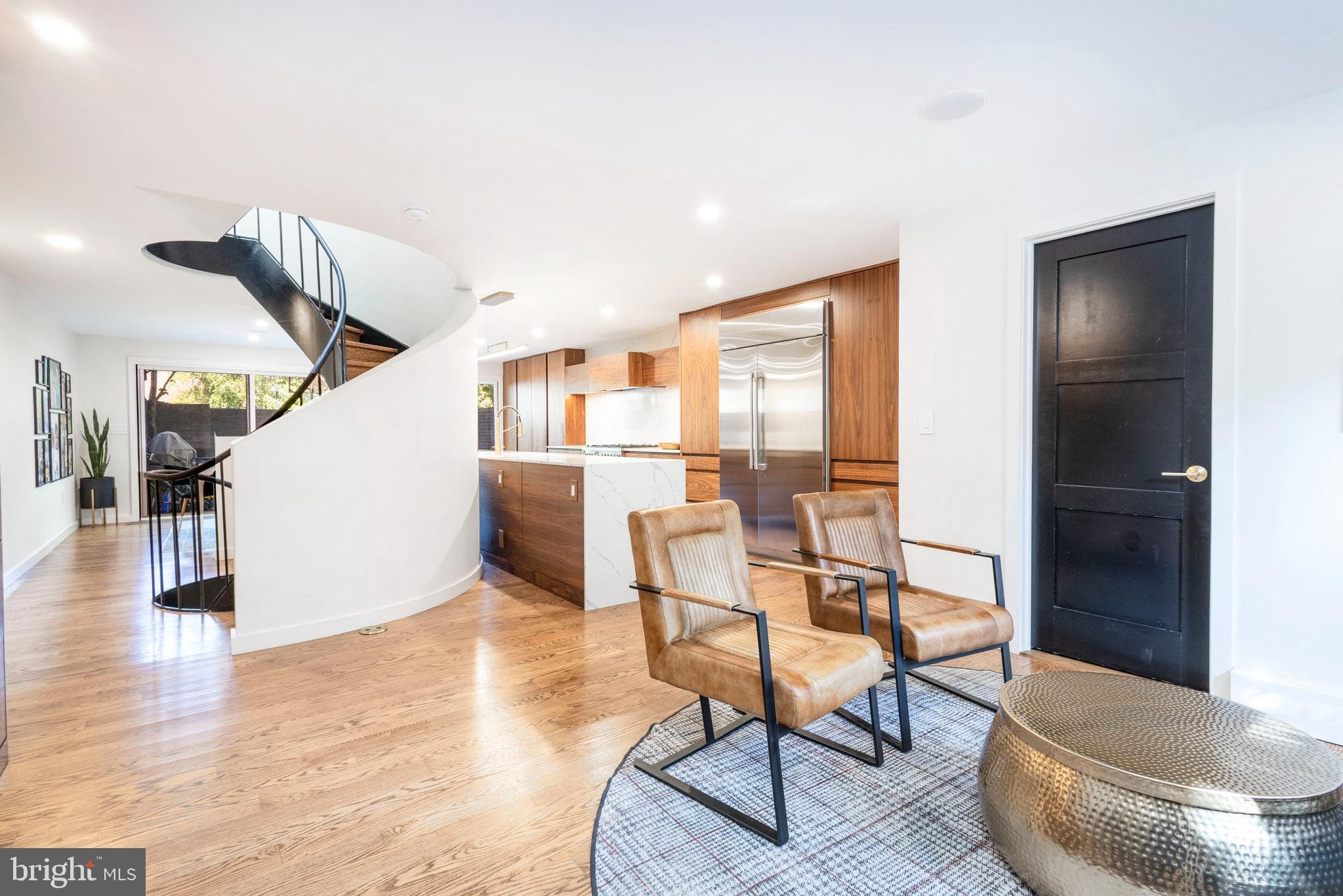
283 Locust Street, Philadelphia, PA 19106 was presented at $1,749,000 as a townhome. Review the listing facts, due diligence priorities, pricing questions, and ownership considerations.
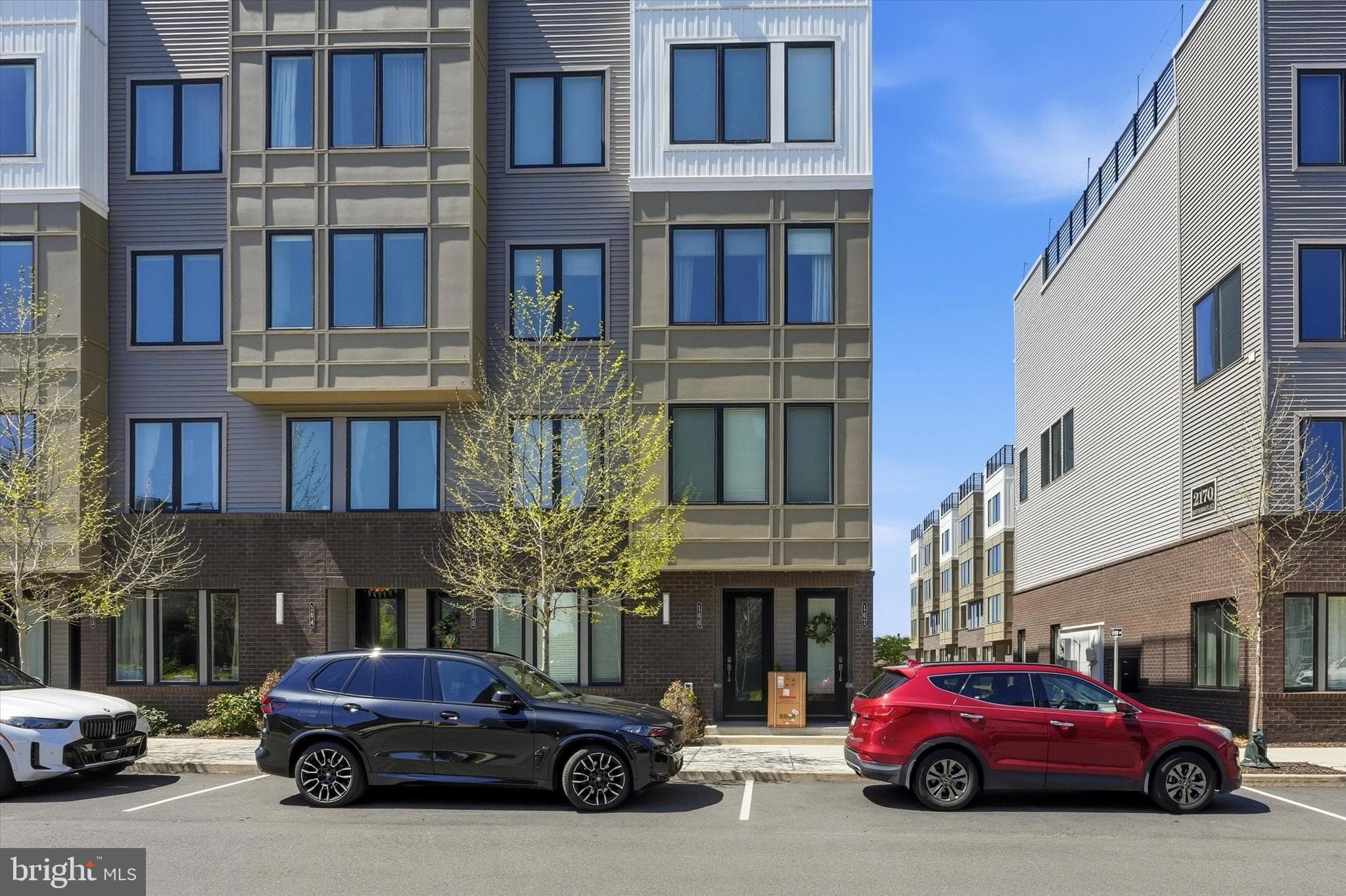
2160 Northbank Place, Unit 166, Philadelphia, PA 19125 was presented at $599,000 as a home. Review the listing facts, due diligence priorities, pricing questions, and ownership considerations.
A DSCR of 1.25 means the property generates 25% more income than needed to cover debt service, which is why many lenders use it as a qualification floor.

The best way to find a realtor in Philadelphia is to choose someone who knows your target neighborhoods, communicates clearly, explains strategy without pressure, and has a track record that matches the type of move you are making.

If you are selling in Philadelphia, you need a clear plan from pricing through closing. My seller service combines market strategy, renovation insight, and negotiation support so you can protect your equity and move with confidence.

DSCR is one of the most important metrics in investment lending because it shows whether a rental property can cover its debt payment on its own income.

The biggest things not to say to a real estate agent are statements that give away leverage, hide key facts, or create confusion about your goals. The best conversations are honest and strategic, not careless.

In Pennsylvania, you do not automatically stop paying property tax at a certain age. Some older homeowners may qualify for rebates, exemptions, or relief programs, but the taxes do not simply disappear because you turn a certain age.
On a $300,000 house, a real estate agent does not simply pocket a flat fee. Commission is negotiated, often shared between brokerages, and then reduced by brokerage splits, taxes, and business expenses.

The 3-3-3 rule in real estate is usually an informal way to think about home buying fit: can you afford the home, can you live with the location, and can you see yourself there long enough for the move to make sense?

There is no single best neighborhood in Philly for every buyer. The best area depends on your budget, commute, lifestyle, renovation tolerance, and whether you are buying for stability, upside, or convenience.
To choose a good realtor, focus on how they think, communicate, and guide you through risk, not just how polished their marketing looks. A good agent should make your decisions clearer, not more confusing.
>- Fishtown pricing only works when you understand what buyers will actually compare your home against in the first week.
The hardest month to sell a house is often one of the slower winter months, but the answer depends on pricing, condition, inventory, and local demand. Weak preparation hurts sellers more than the calendar alone.

>- Timing a listing isn't just about spring versus fall — it's about understanding when buyer competition peaks and how to position for multiple offers rather than single negotiations.

You can tell if someone is a good REALTOR by how clearly they communicate, how honestly they handle tradeoffs, and whether their advice gets more useful once the conversation becomes specific.
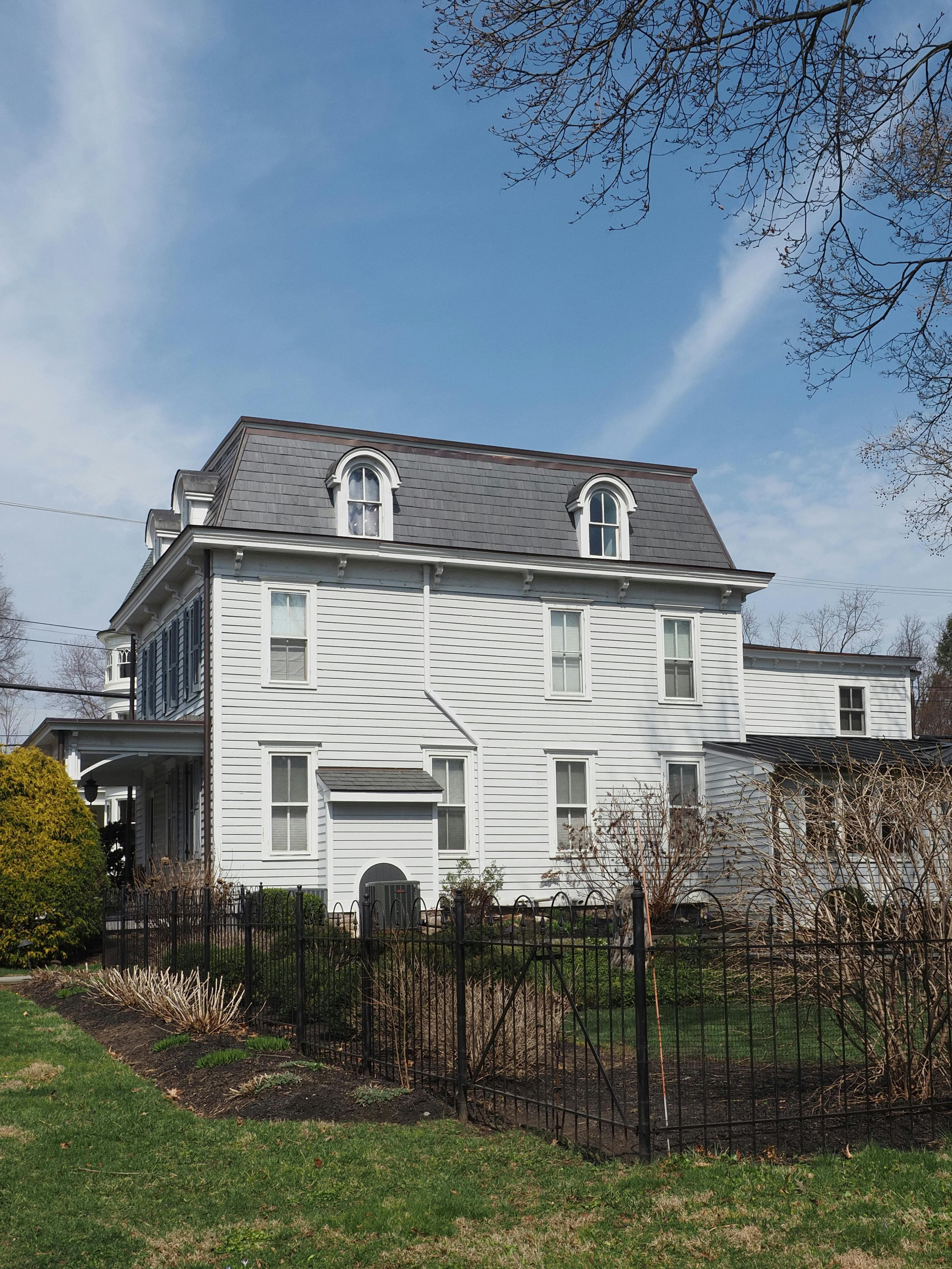
>- Both counties offer suburban access to Philadelphia, but they serve very different lifestyles, commute patterns, and long-term market trajectories. Here is how to choose.
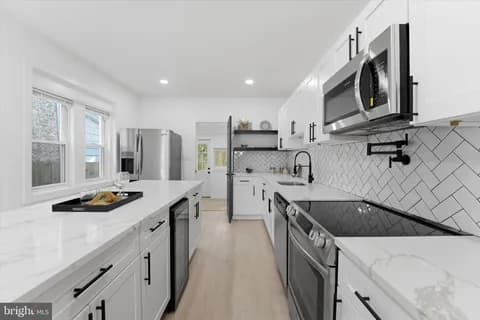
1638 North Felton Street, Philadelphia, PA 19151 sold on July 13, 2026 for $282,500. Review the original offering, verified result, property features, and lessons for future sellers.
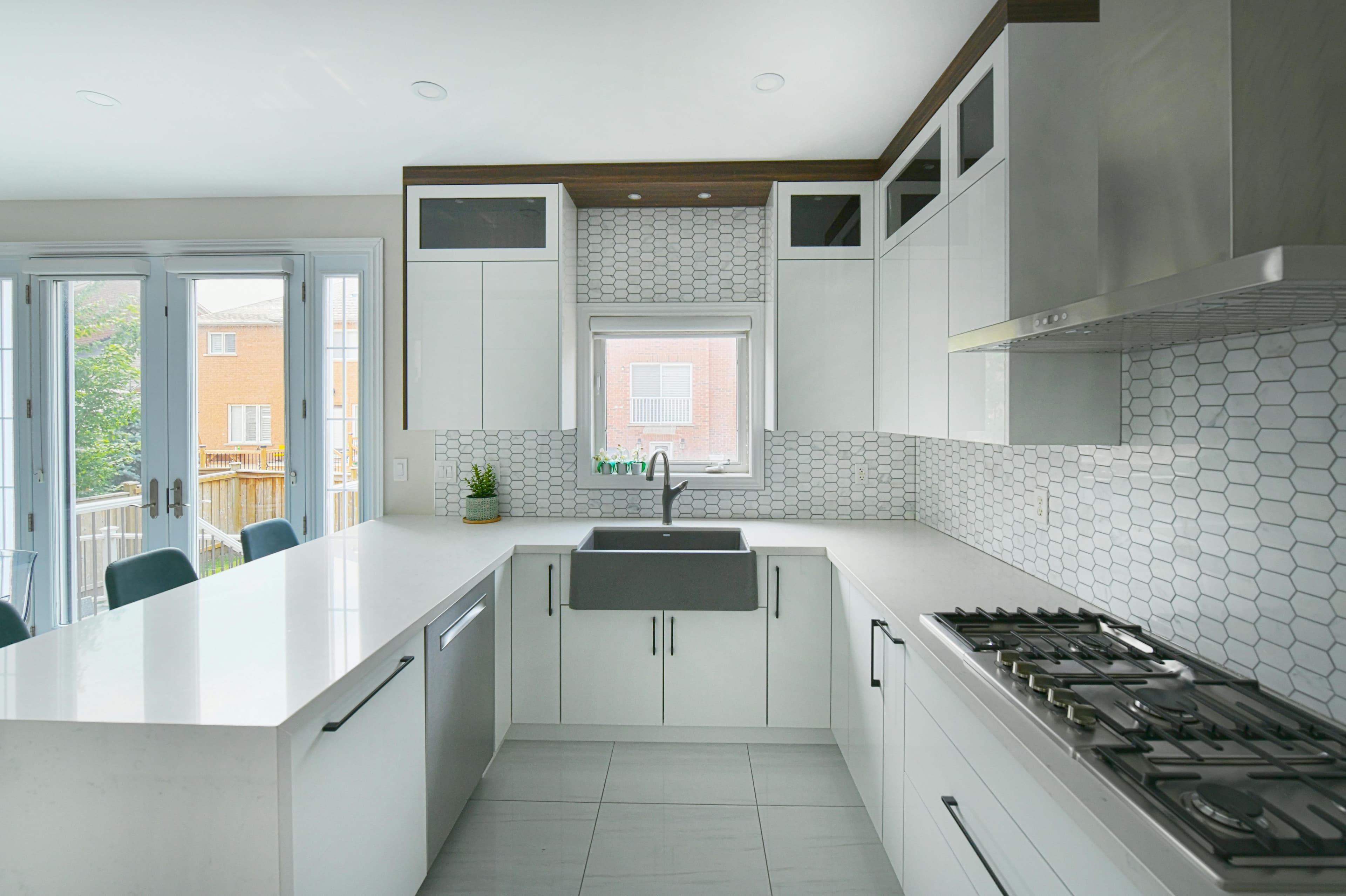
Not all renovations add value equally. Some add 80% ROI; others add nothing. Here is what actually moves the needle for Philadelphia home values.

Real estate is the most accessible wealth-building tool for most people. But it requires strategy, not just a transaction. Here is how I work with clients to build long-term wealth.
>- DSCR lending has made it easier for investors to scale past four properties without W-2 income documentation — but Philadelphia's rent-to-price ratios create real friction. Here's how to use these loans correctly.
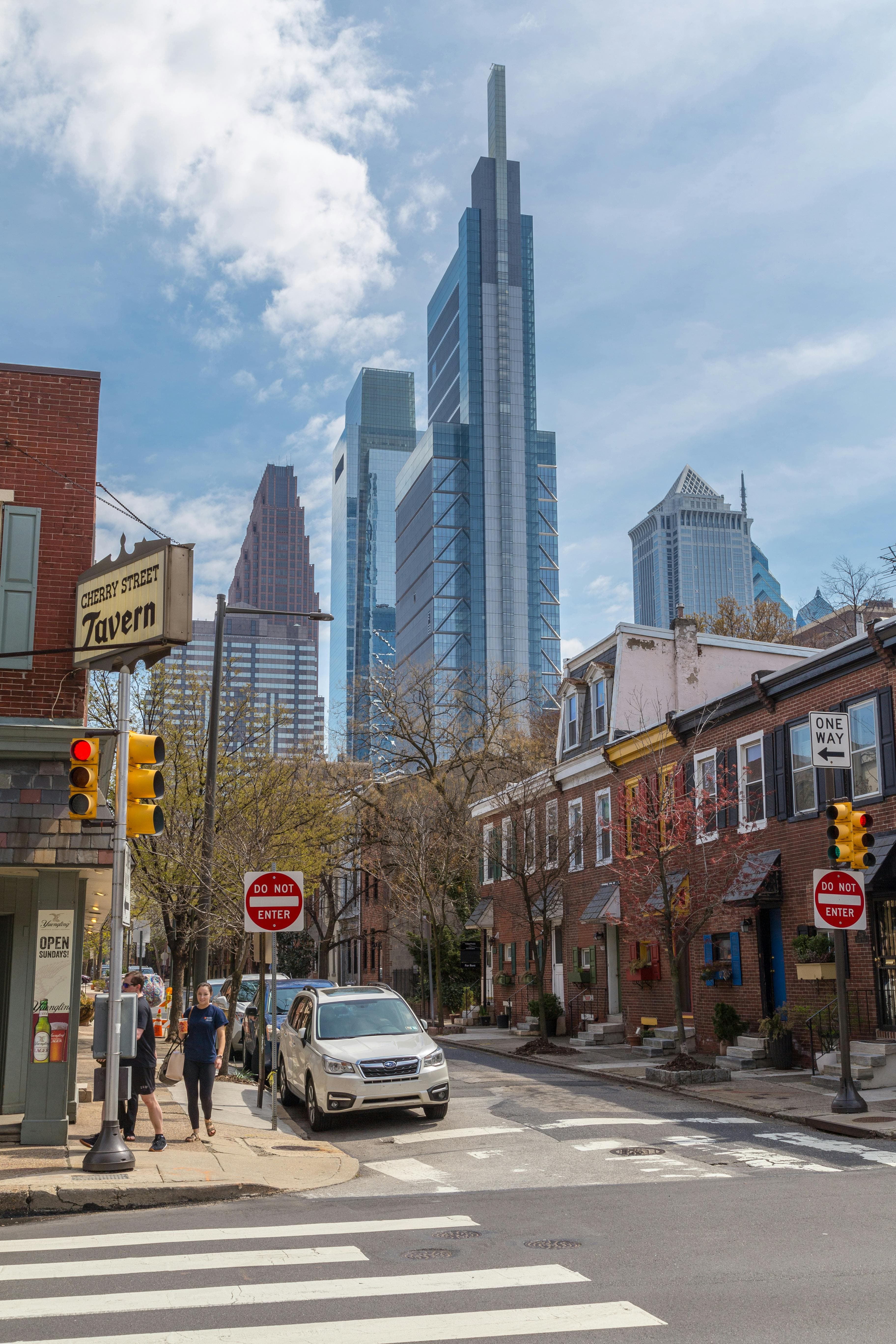
>- A neighborhood should match how you actually live, not just what looks good on a map or in a trend article.
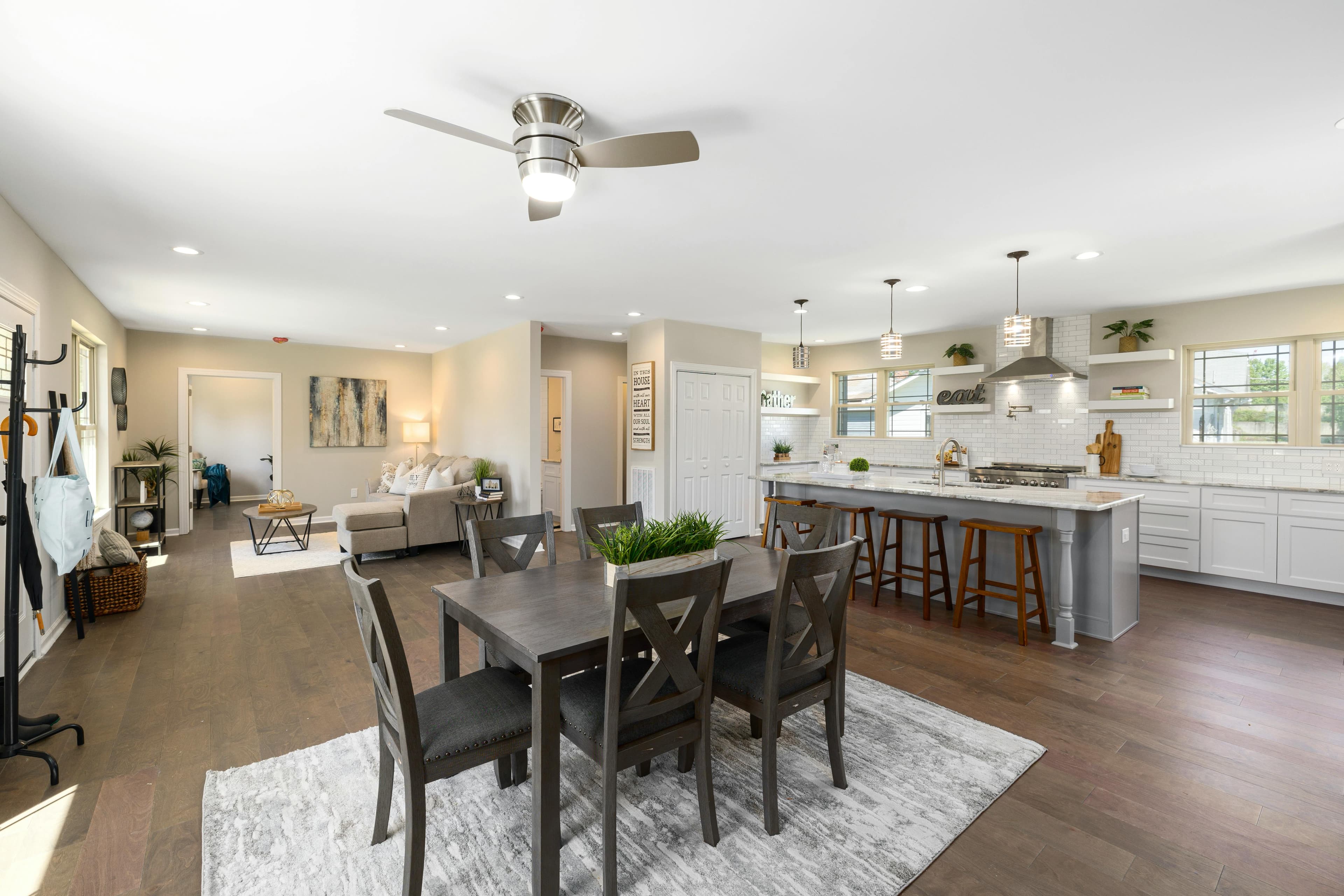
You can sell your home without Compass Concierge. But if you want to maximize price and minimize days on market, the investment in professional prep is almost always worth it.
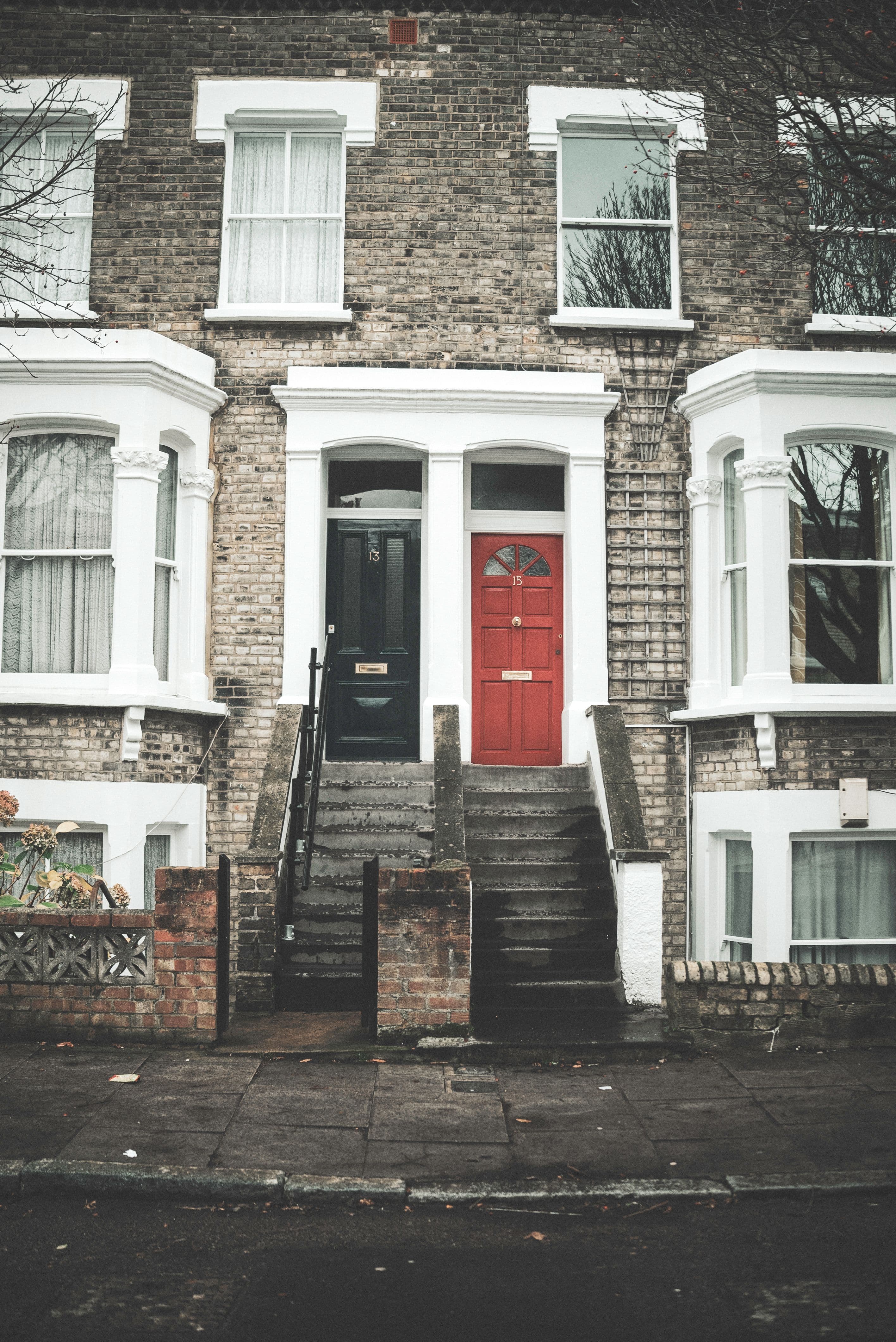
>- Most buyers underwrite duplexes wrong — they use the seller's rent numbers and forget to stress-test the expenses. Here is the real framework.
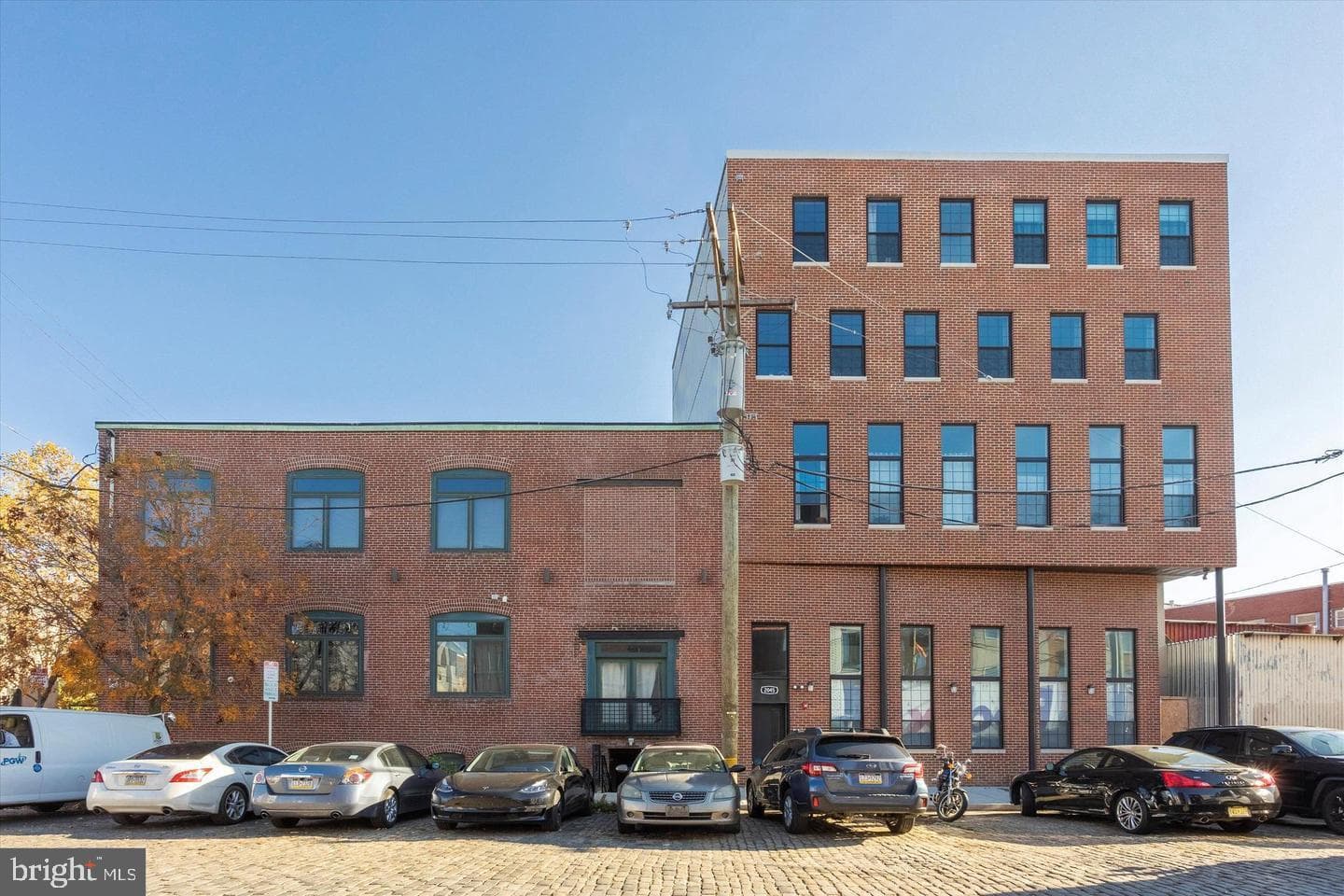
2045-49 Trenton Avenue, Philadelphia, PA 19125 was presented at $4,150,000 as a multifamily property. Review the listing facts, due diligence priorities, pricing questions, and ownership considerations.
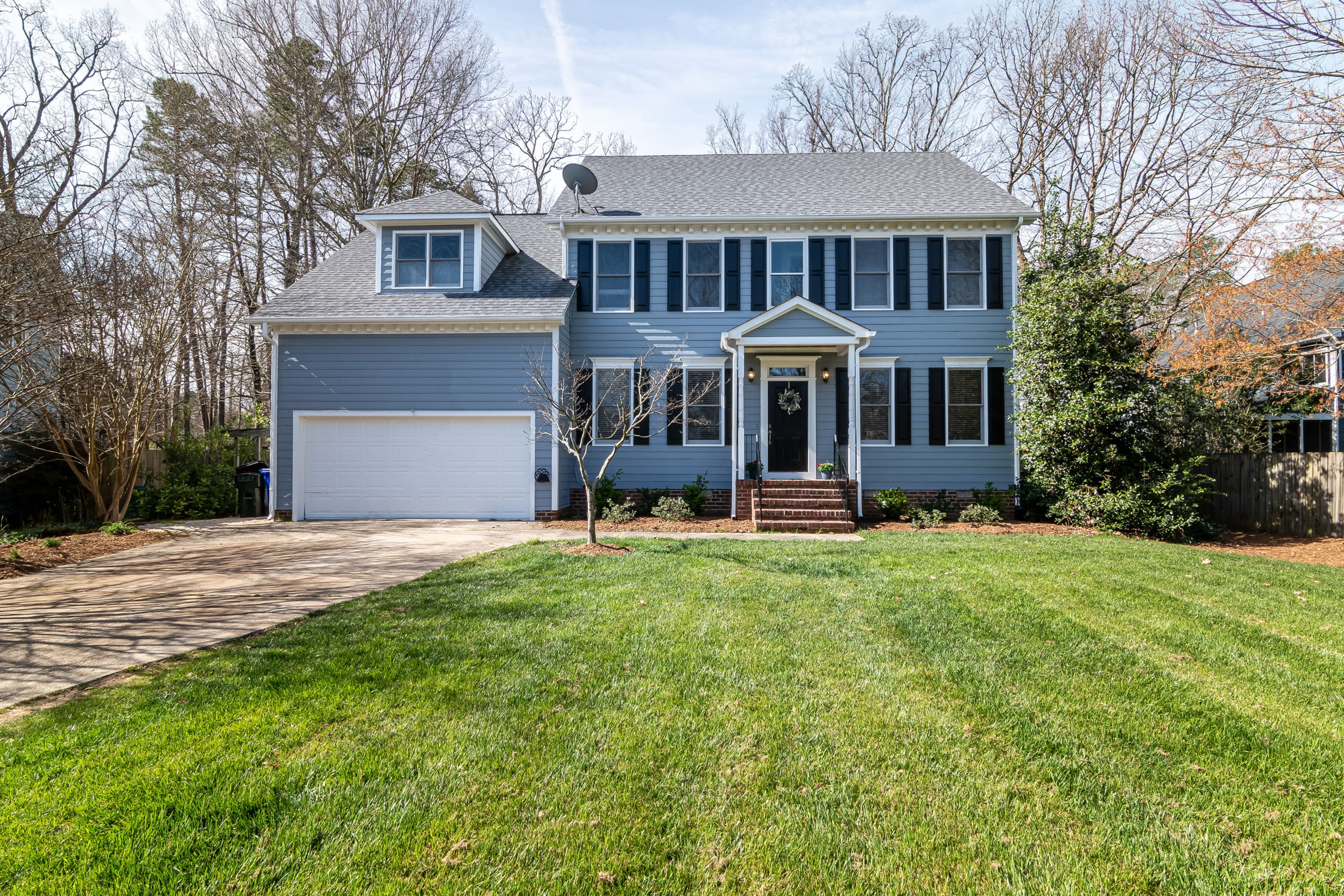
ARV is where most investment deals live or die. And it's where the most delusional math happens. Here is how I calculate it from both the agent and contractor perspective.

>- BRRRR works in Philadelphia, but the exit math is tighter than in other markets. Here is how to run the numbers honestly before you commit.
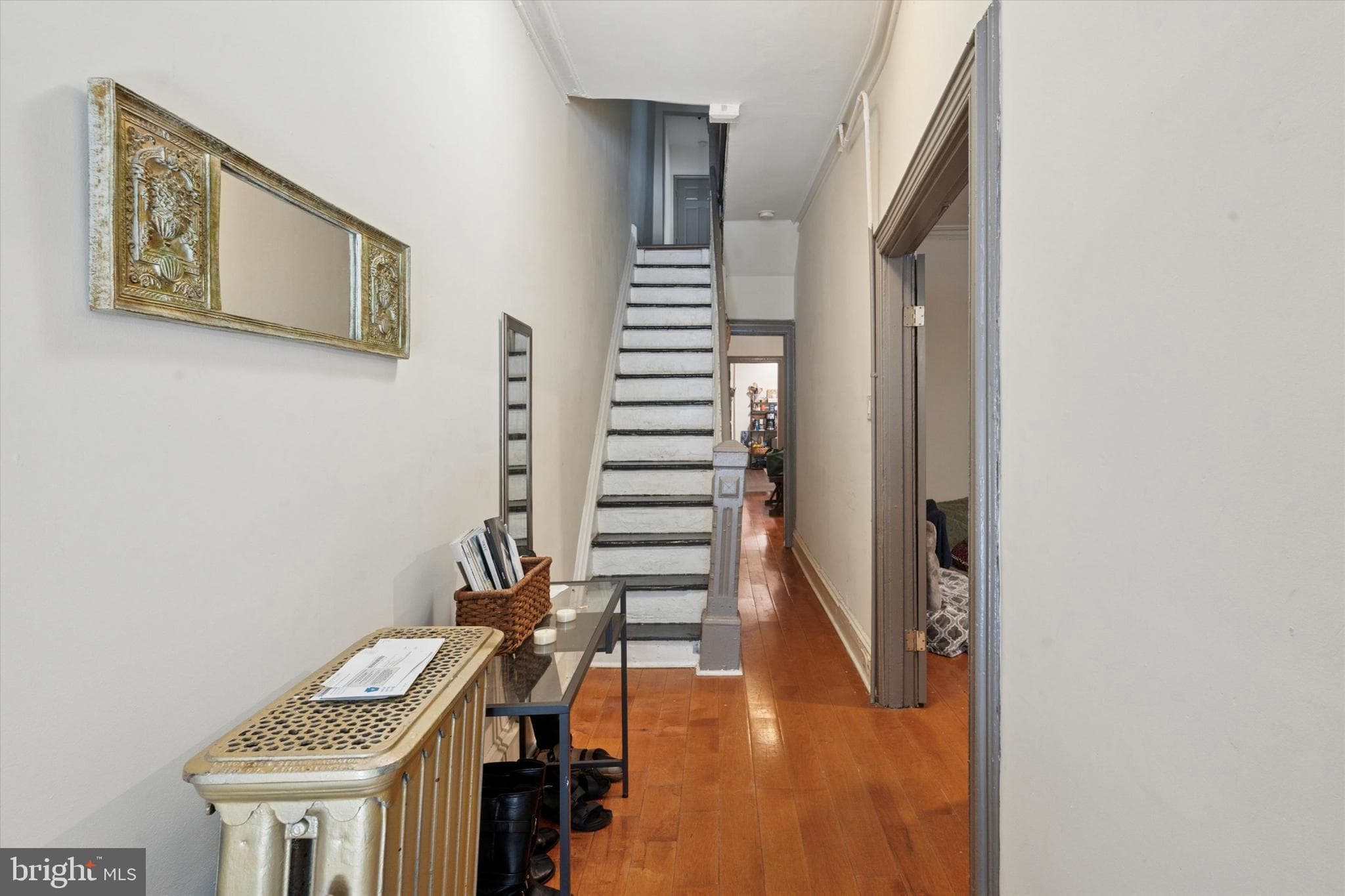
3817 Hamilton Street, Philadelphia, PA 19104 was presented at $529,000 as a home. Review the listing facts, due diligence priorities, pricing questions, and ownership considerations.

The best time to sell is when you need to sell." But if you have flexibility, timing matters. Here is how I analyze market conditions and recommend listing windows.

>- The first seven days after you list are the highest-leverage window in a home sale. Mispricing that window costs sellers far more than they expect.

>- Sellers routinely spend money on improvements buyers don't value. Here is how to spend the right amount — and stop before you cross into diminishing returns.
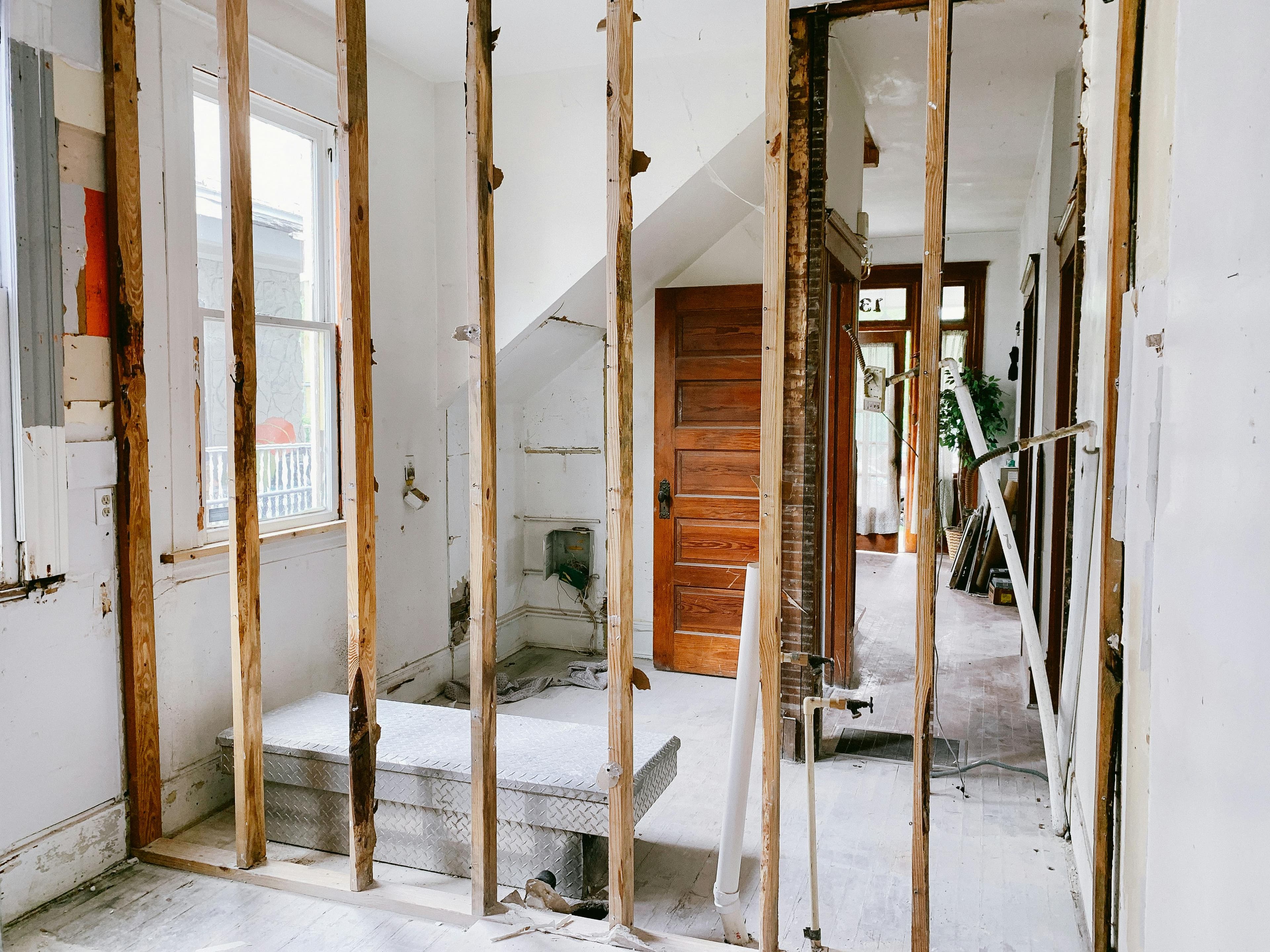
Rehab is where most projects die—either because budgets blow up or timelines slip. As a licensed contractor, I manage rehab differently than most investors expect.

>- Transit access quietly drives price per square foot in Fishtown. Understanding how the El affects block-level value makes you a sharper buyer.

Distressed properties seem like they have to sell at a discount. But in Philadelphia, I've helped sellers extract 10–15% more by understanding buyer psychology and positioning.
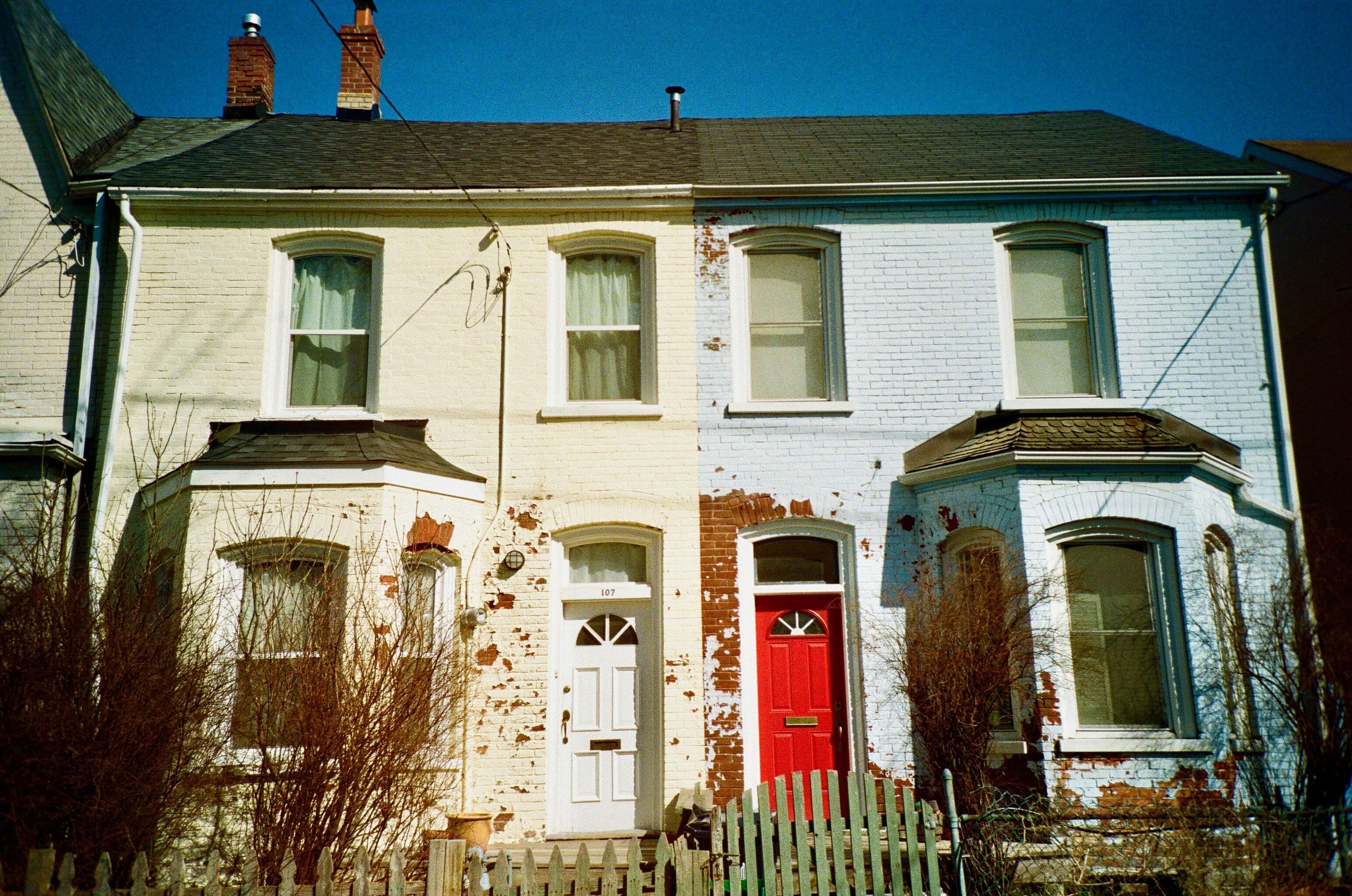
Duplexes and triplexes split the difference between single-family and true multifamily. In Philadelphia, they're often where the best risk-adjusted returns live.
>- Rowhomes hide their problems in places a quick walkthrough will miss. Here is what to actually look at before you write a number.

>- A practical framework for evaluating price, condition, and block quality before you make an offer on a Philadelphia rowhome.

FHA loans open doors for buyers with limited down payment capital, but they come with trade-offs that not every buyer understands. Here is how I navigate them with clients.
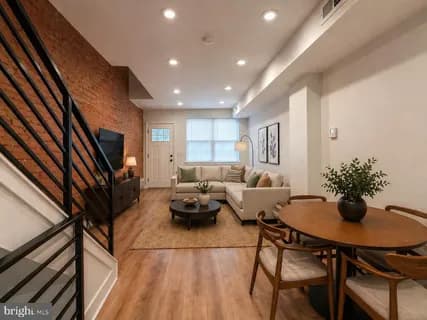
609 Mountain Street, Philadelphia, PA 19148 sold on June 16, 2026 for $385,000. Review the original offering, verified result, property features, and lessons for future sellers.

Your first investment property will teach you more than any course. But it will also teach you expensive lessons unless you have a partner who has made those mistakes before.
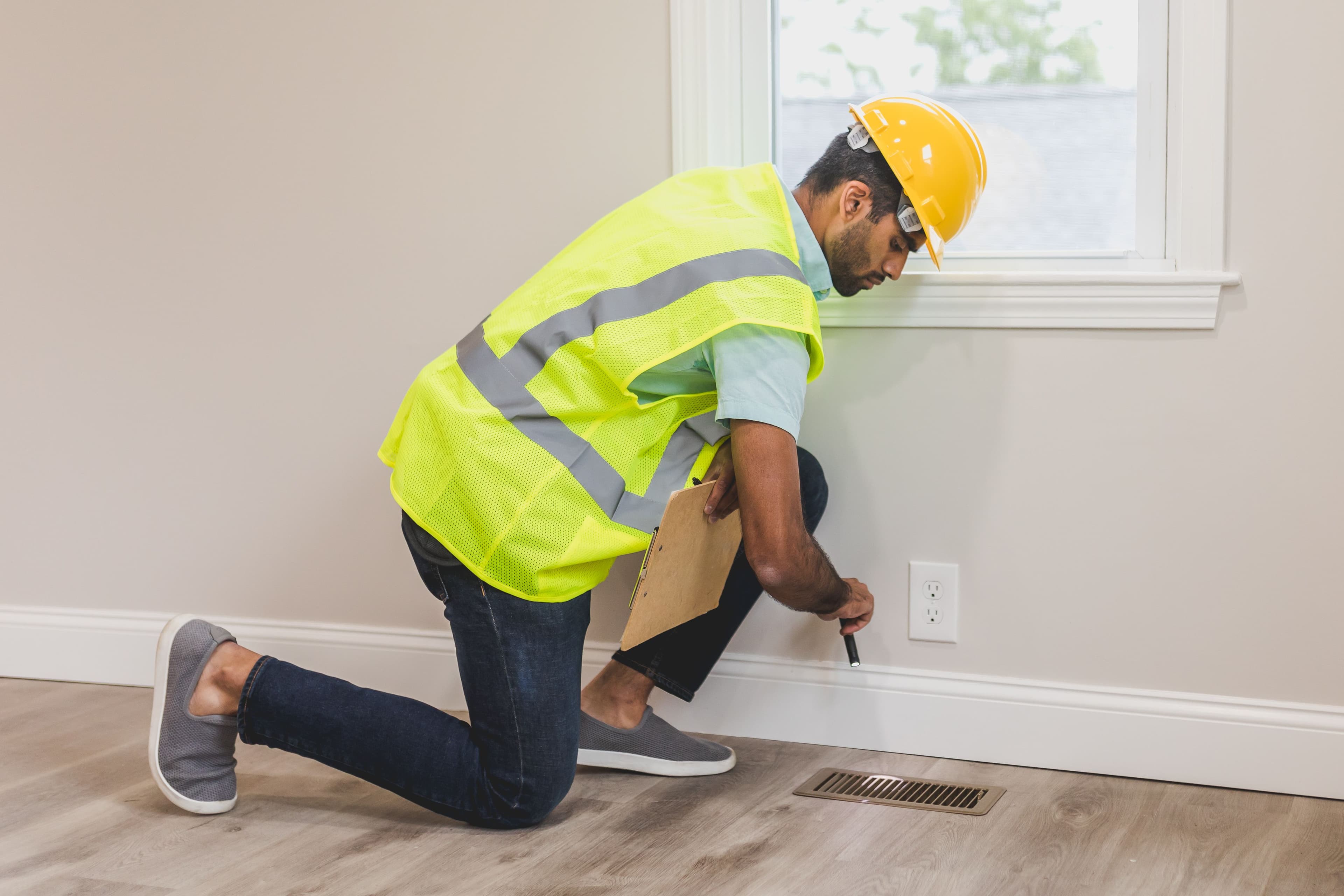
A home inspector checks boxes. A licensed contractor sees the stories hidden behind those boxes. Here is what I look for that most inspections miss.
Most agents won't touch investor clients because they don't understand the business. I specialize in investor deals because my contractor background unlocks a real competitive edge.

Not all neighborhoods are created equal for investors. Here are the neighborhoods where I currently guide clients based on cash flow, appreciation potential, and execution risk.
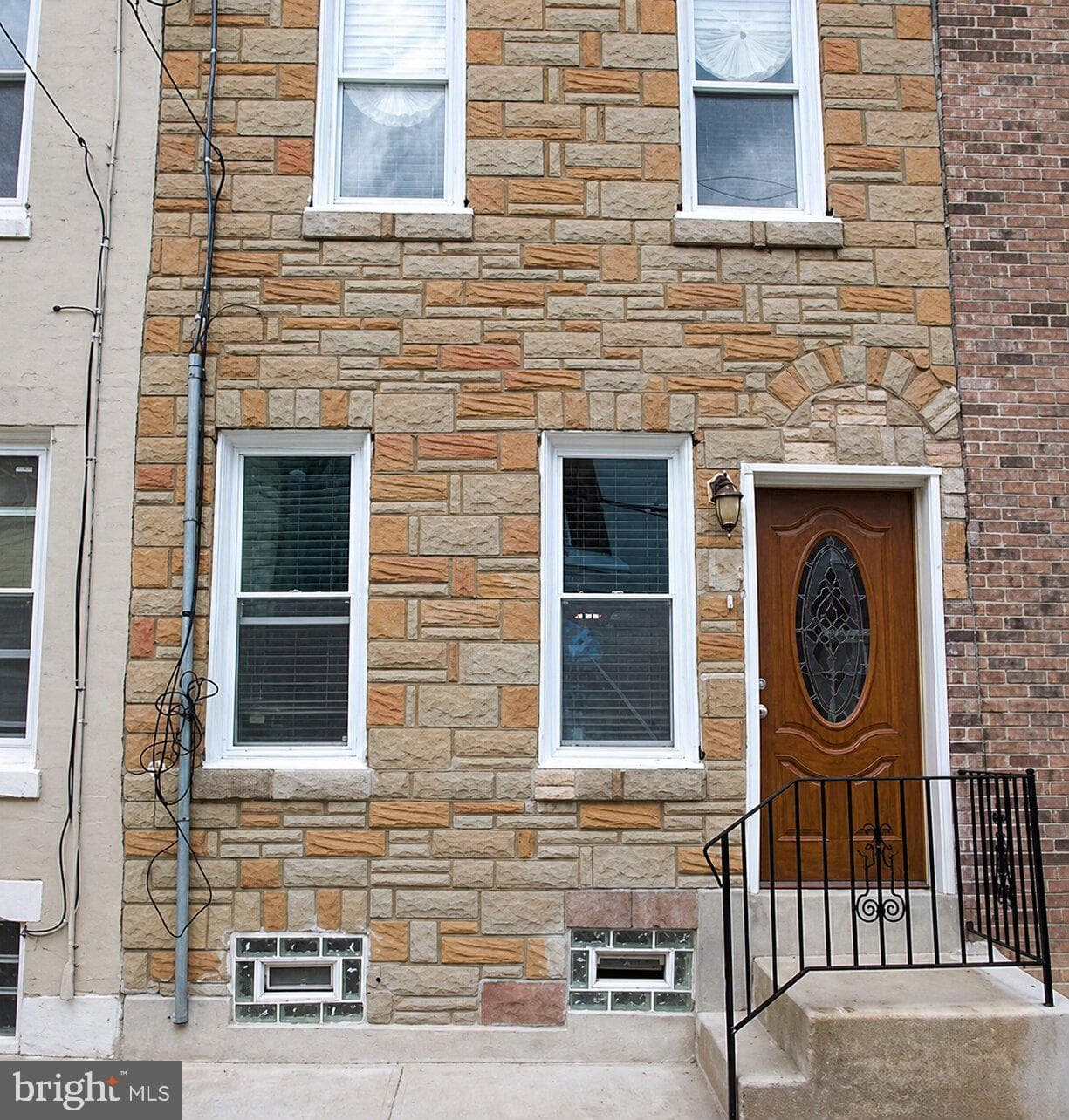
2415 West Seybert Street, Philadelphia, PA 19121 was offered for rent at $1,475/mo. Review the verified layout, features, lease questions, application planning, and Brewerytown location considerations.

Should you fix that roof before selling, or negotiate credits instead? As both agent and contractor, I evaluate pre-sale repairs from both perspectives—and they often conflict.

>- Timing matters, but preparation matters more. A well-positioned launch usually beats a rushed one in the 'perfect' month.

Compass Concierge is a pre-sale prep service that many sellers don't fully understand. Here is what it offers and how it actually moves the needle on your sale price.

The 70% rule is a quick screening tool that every Philadelphia investor should understand. Here's how I use it to evaluate hundreds of off-market deals.
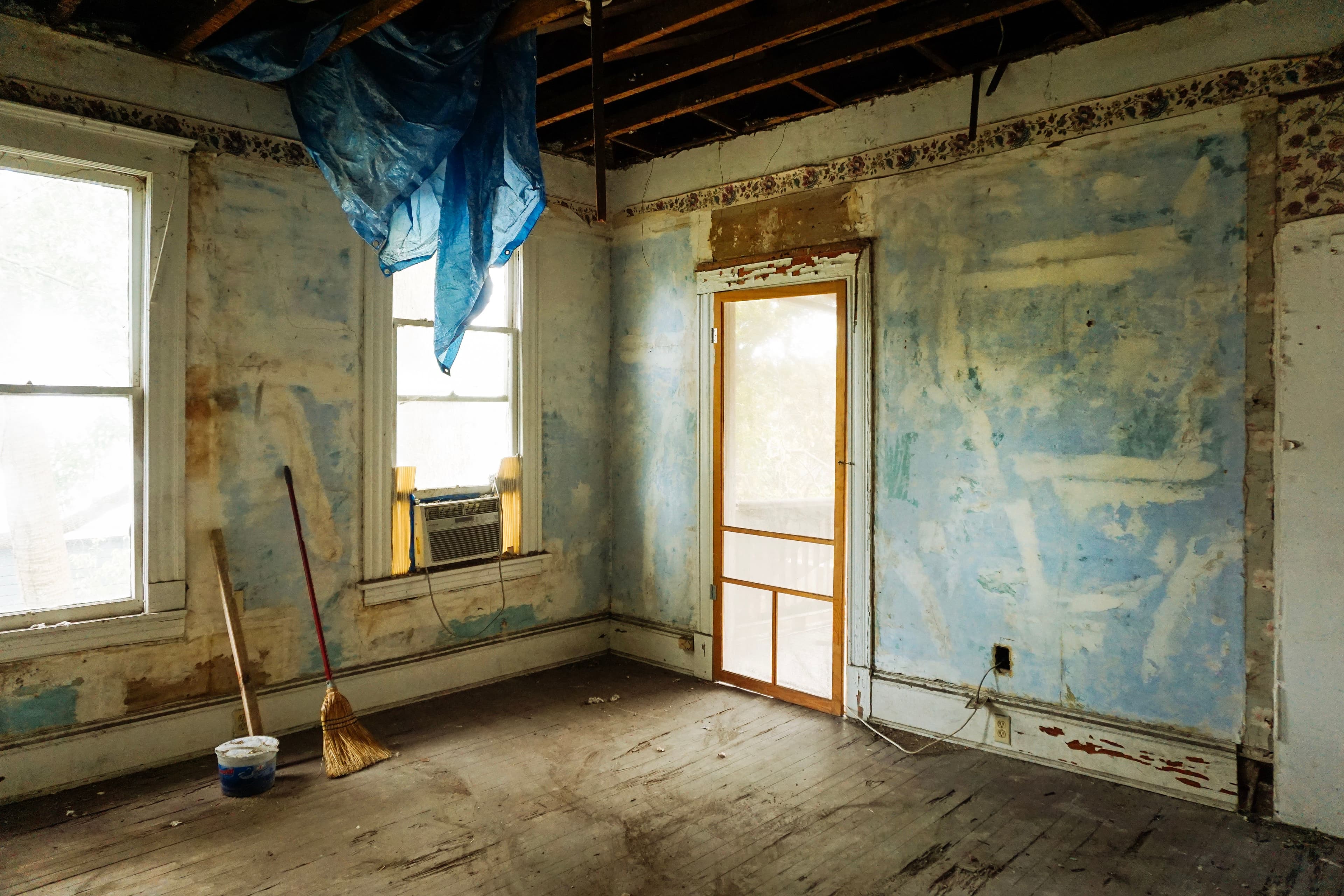
Most flippers are either agents or contractors, but rarely both. Here is how I leverage both skills to execute Philadelphia flips with better margins and less risk.
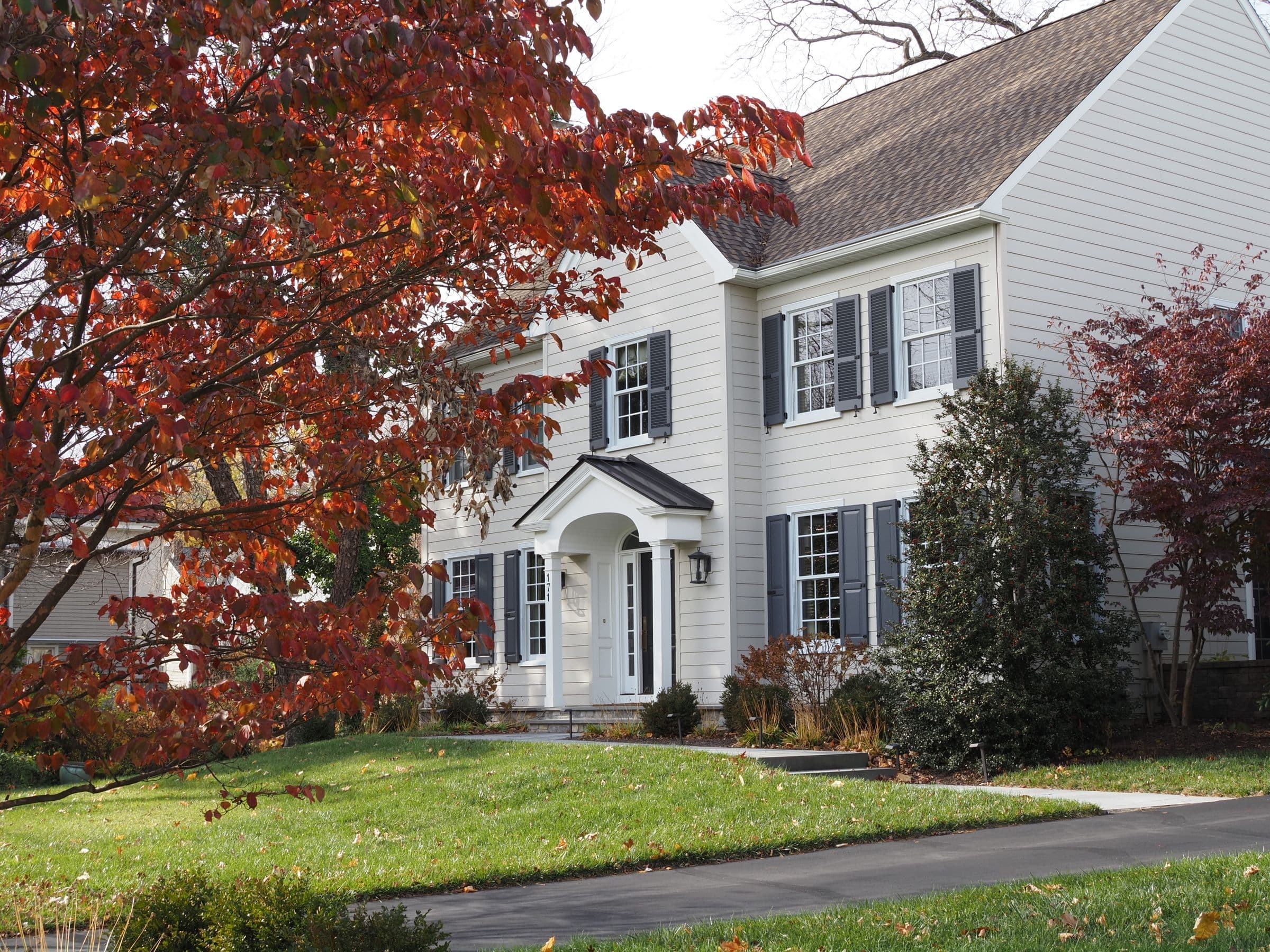
Moving to Philadelphia and buying at the same time? Here are the neighborhoods where I guide relocation clients to build wealth over 5–10 years.
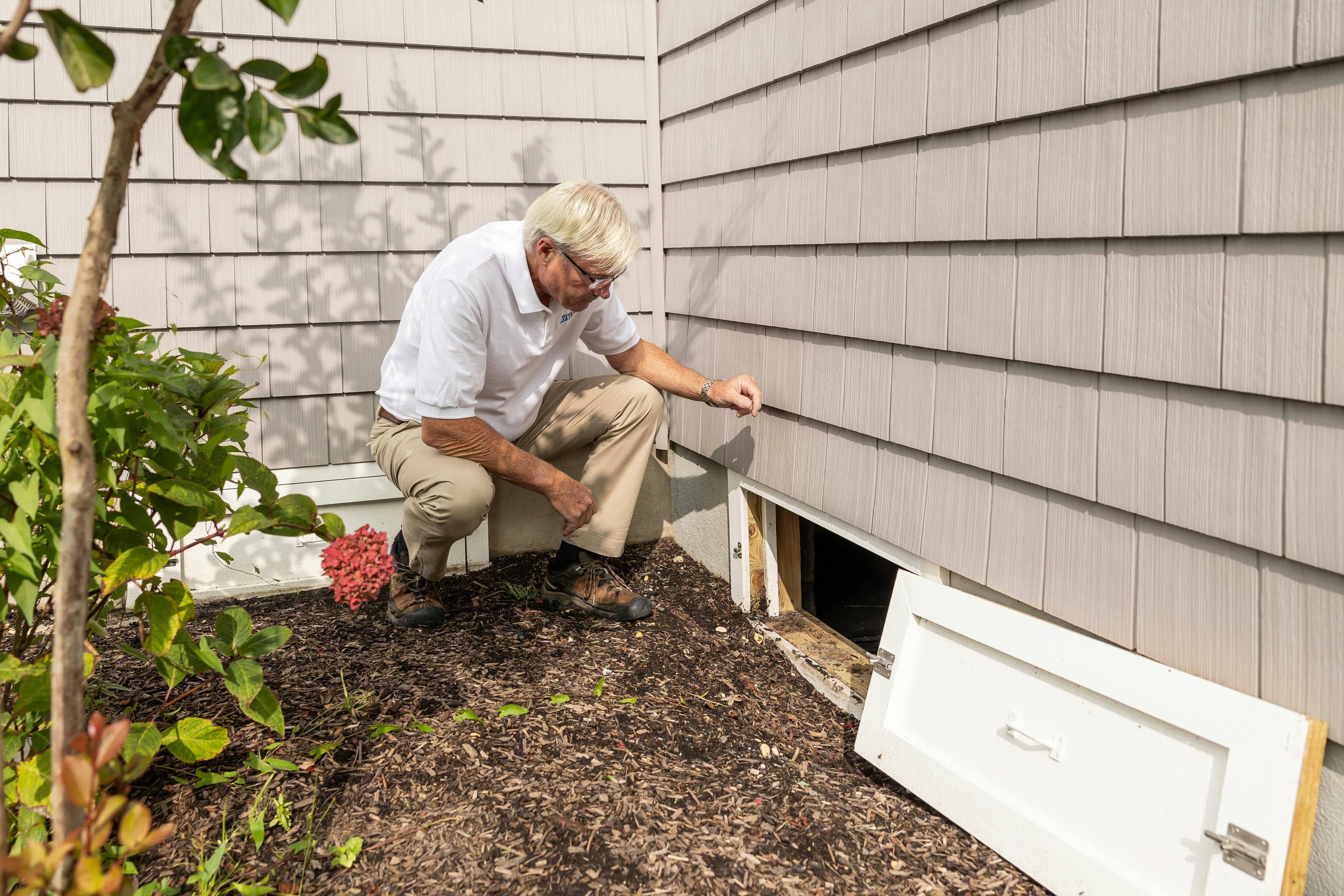
As a licensed contractor and real estate agent, I've seen first-time buyers skip critical inspections. Here is the checklist that saves you from costly mistakes.
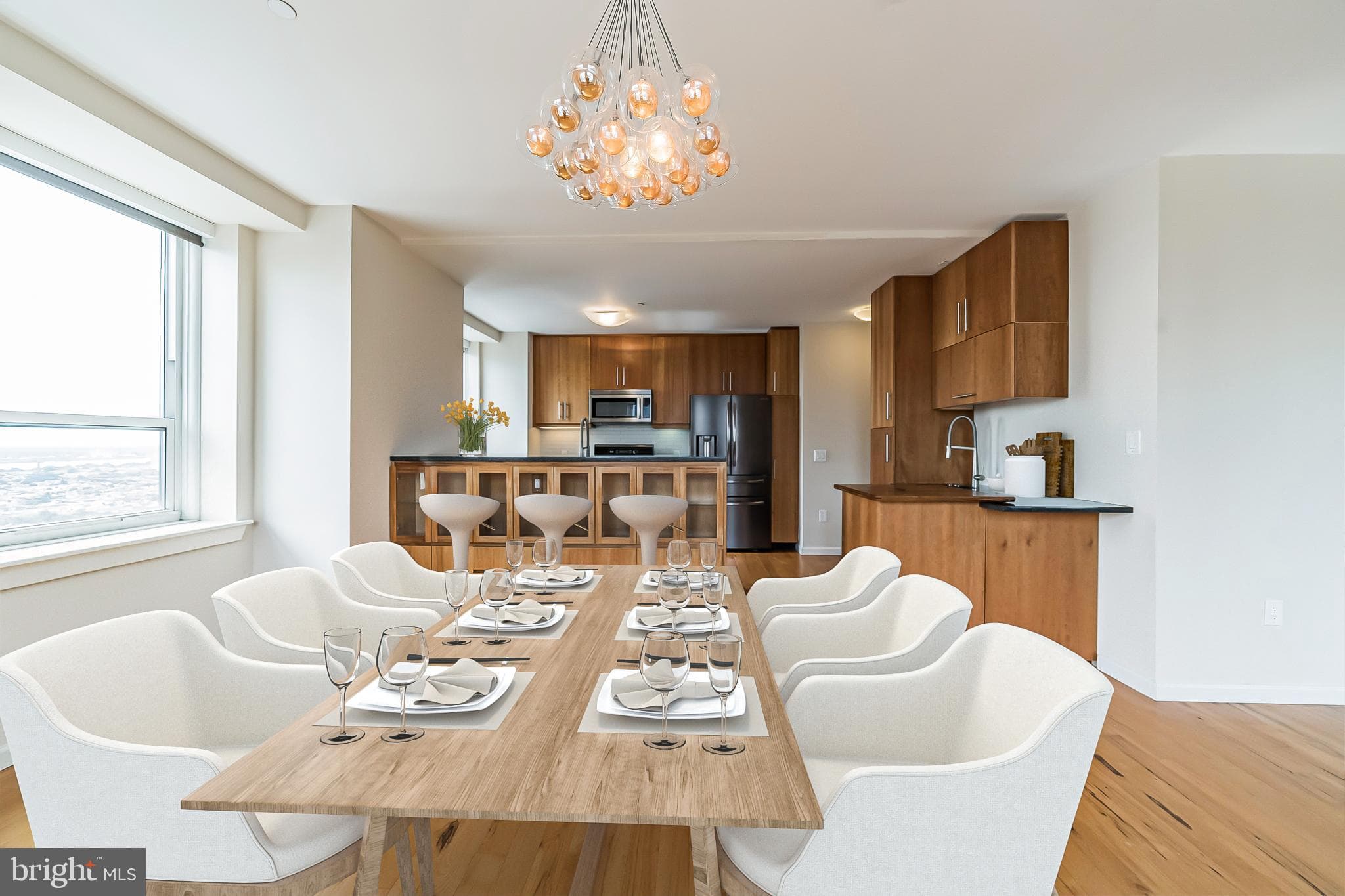
1425 Locust Street, Unit 28A, Philadelphia, PA 19102 was presented at $699,000 as a condominium. Review the listing facts, due diligence priorities, pricing questions, and ownership considerations.
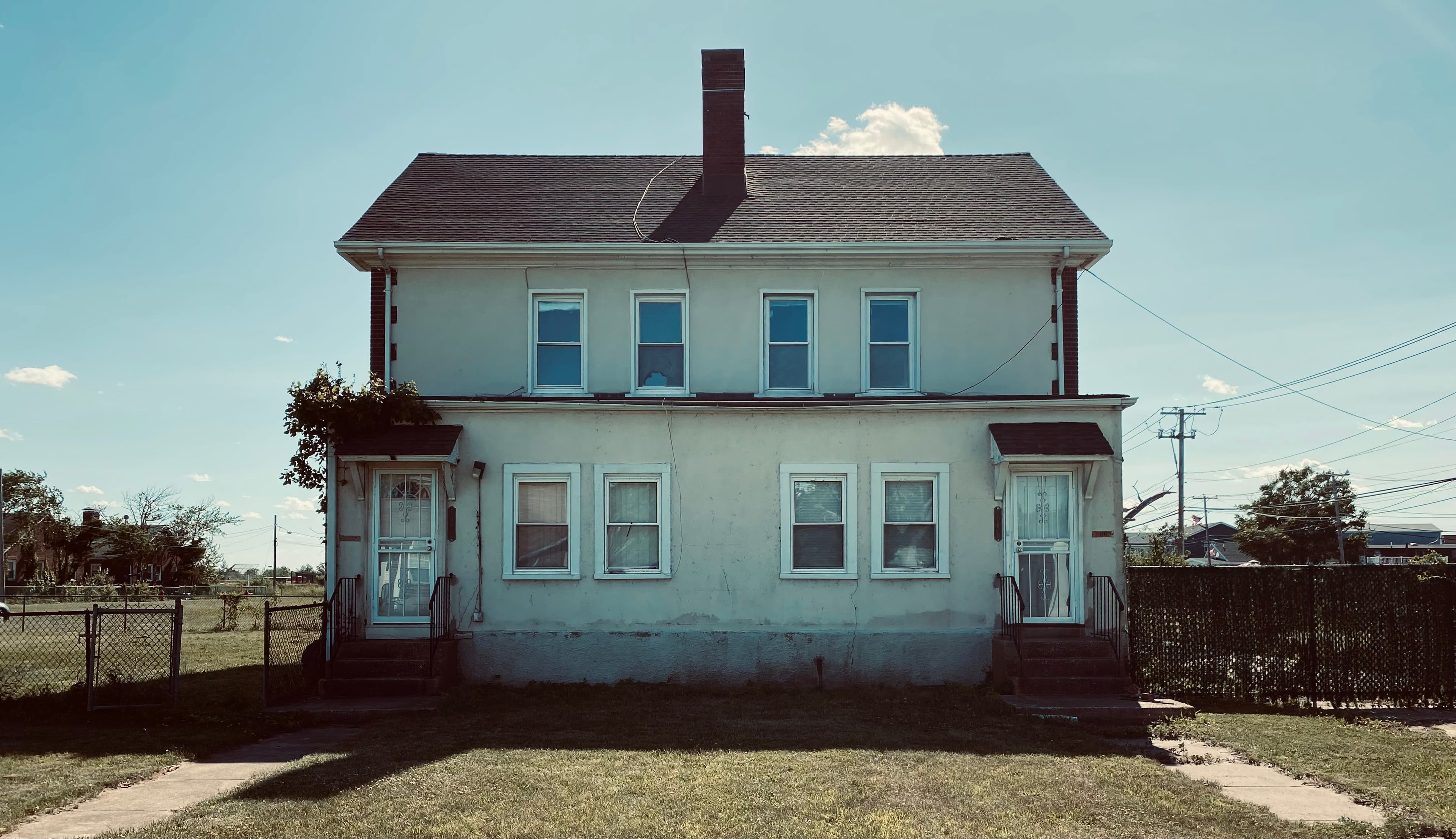
>- A duplex becomes a strong value-add deal only when the renovation plan, neighborhood demand, and exit strategy all line up.
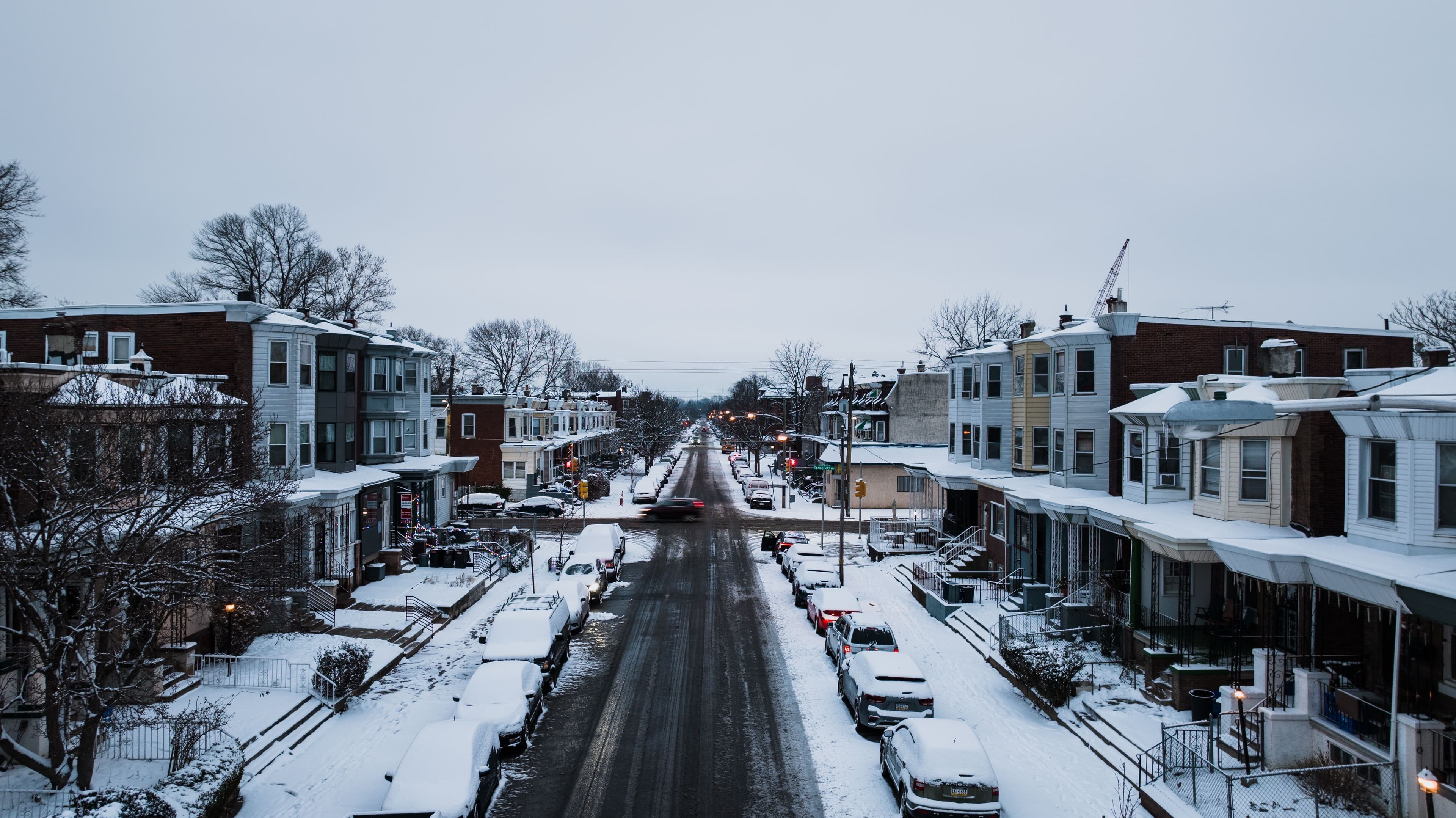
>- Both neighborhoods have strong investor activity, but they represent very different stages in a gentrification cycle. Your hold period and risk tolerance determine which is the better fit.
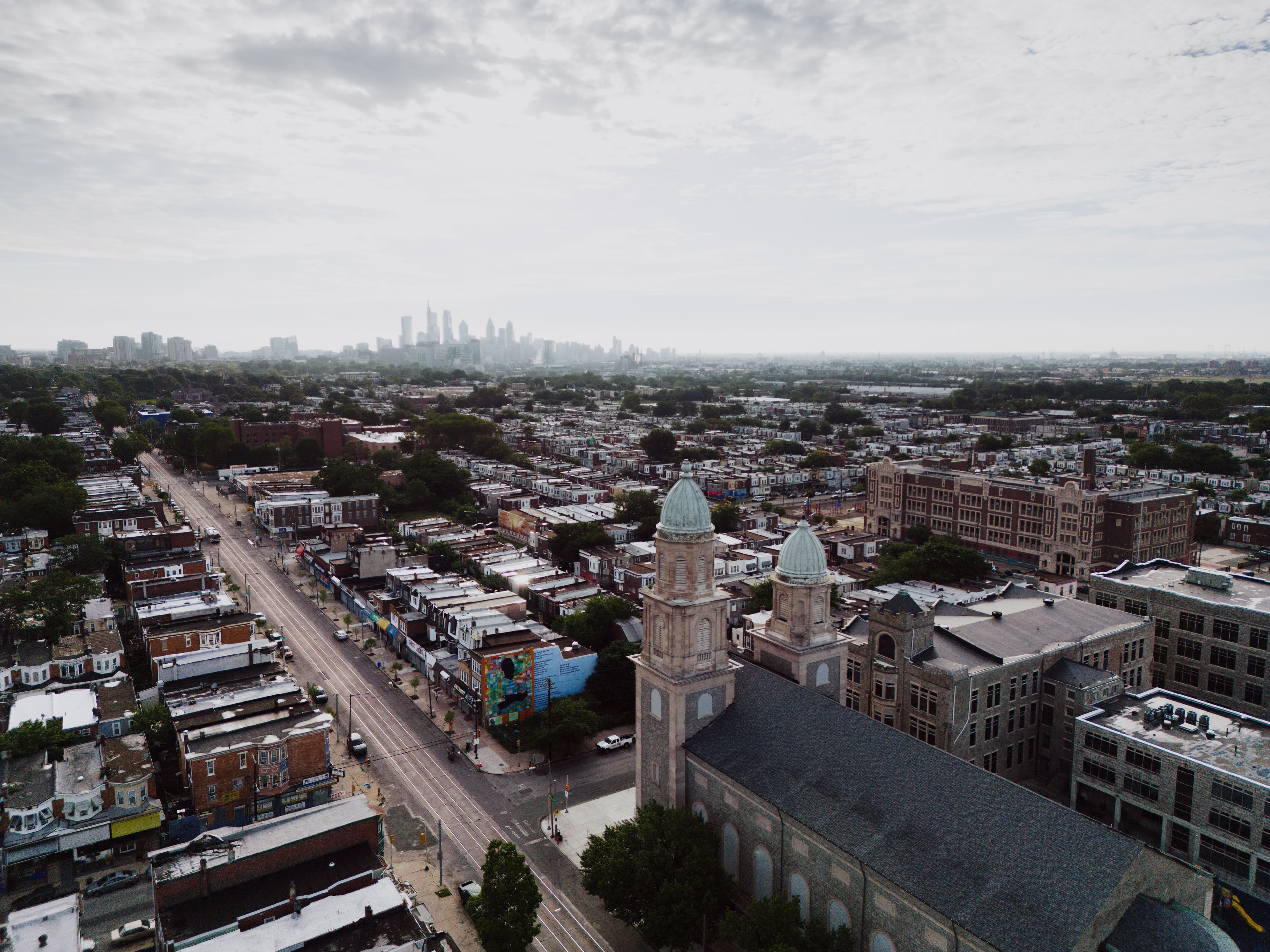
>- Both neighborhoods attract renter demand, but they do it for slightly different reasons and at different risk profiles.
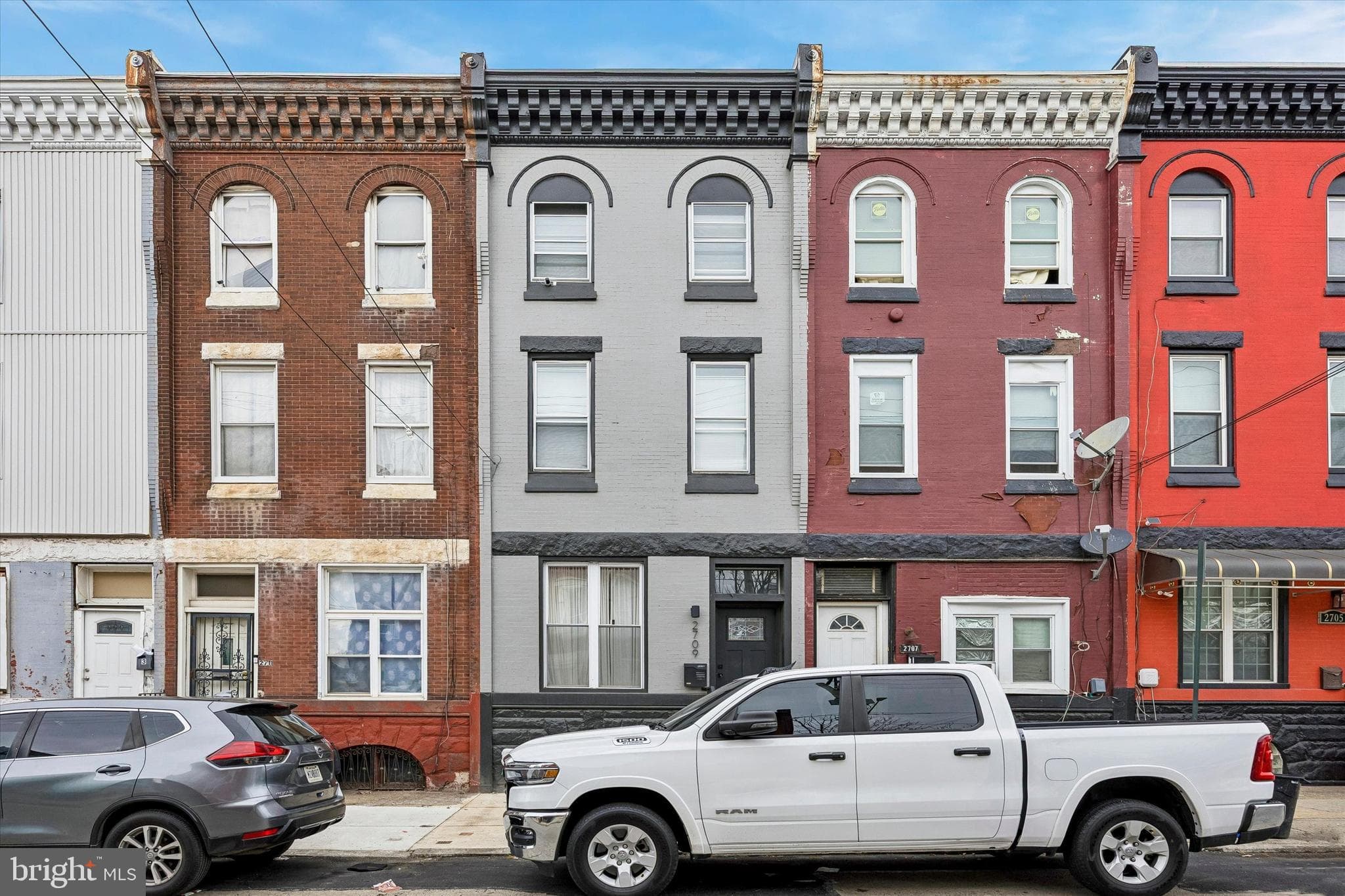
2709 West Glenwood Avenue, Philadelphia, PA 19121 was presented at $294,000 as a home. Review the listing facts, due diligence priorities, pricing questions, and ownership considerations.
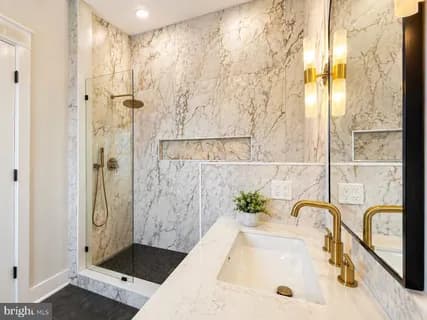
714 Earp Street, Philadelphia, PA 19147 sold on June 15, 2026 for $505,000. Review the original offering, verified result, property features, and lessons for future sellers.
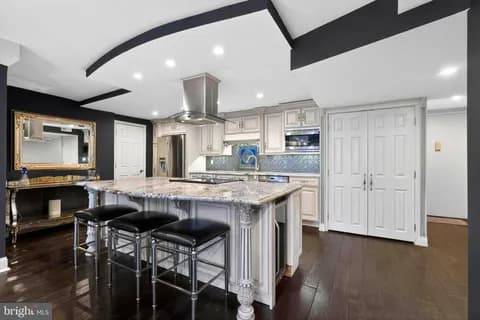
1420 Locust Street, Unit 31I, Philadelphia, PA 19102 sold on May 29, 2026 for $485,000. Review the original offering, verified result, property features, and lessons for future sellers.
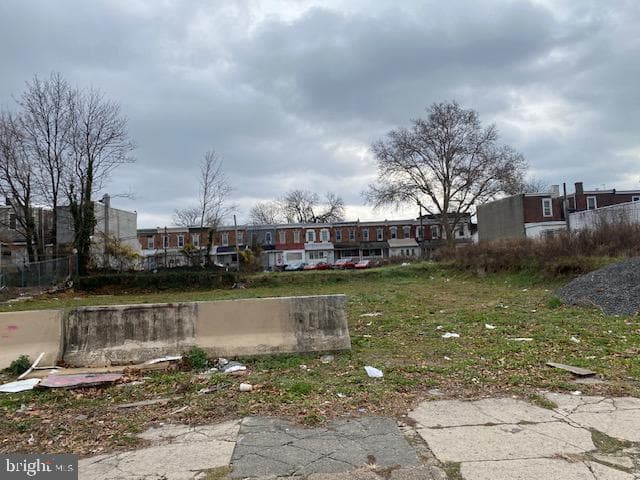
6924 Woodland Avenue, Philadelphia, PA 19142 was presented at $549,000 as a development land. Review the listing facts, due diligence priorities, pricing questions, and ownership considerations.
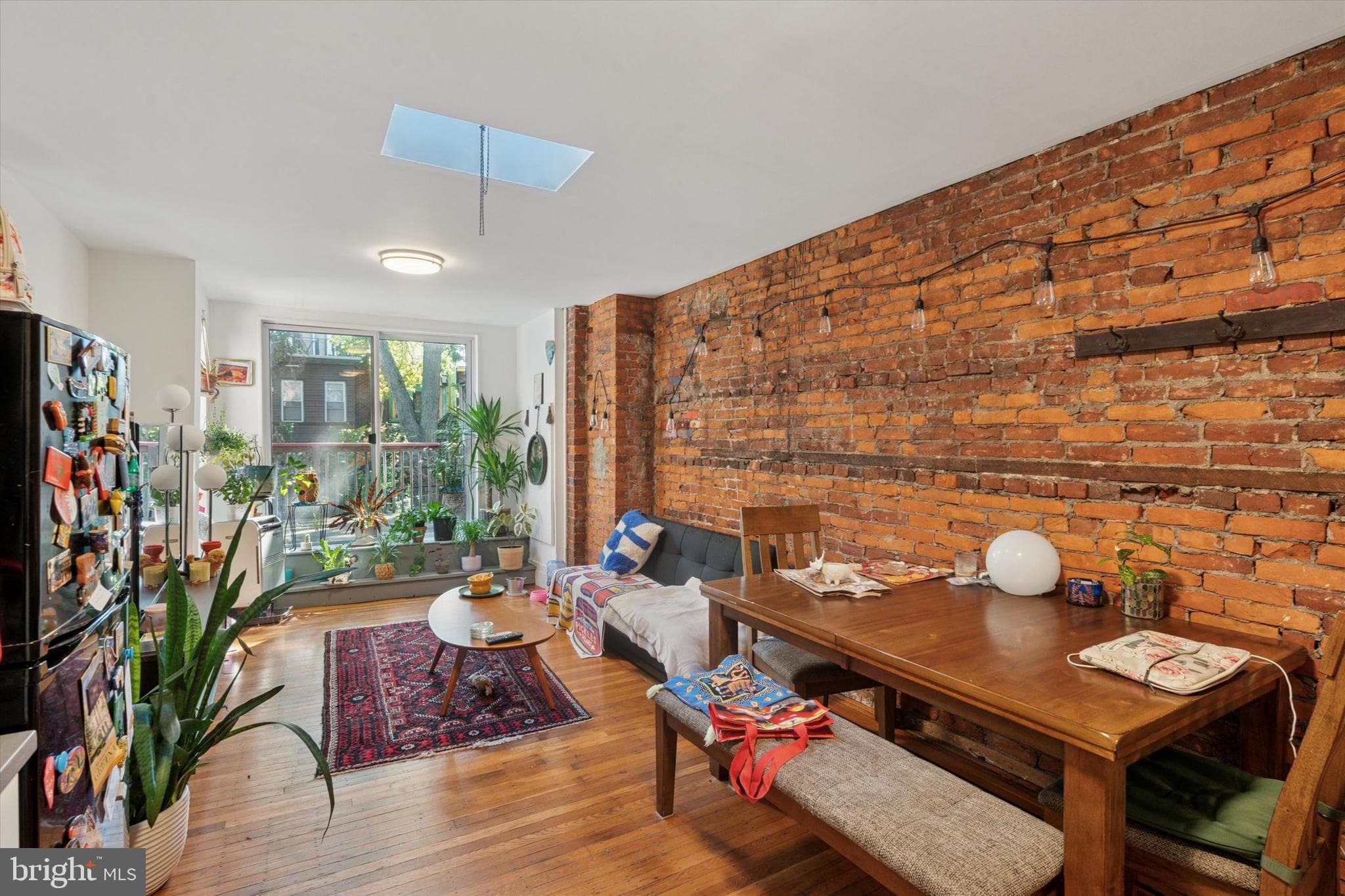
3816 Spring Garden Street, Philadelphia, PA 19104 was presented at $545,000 as a multifamily property. Review the listing facts, due diligence priorities, pricing questions, and ownership considerations.
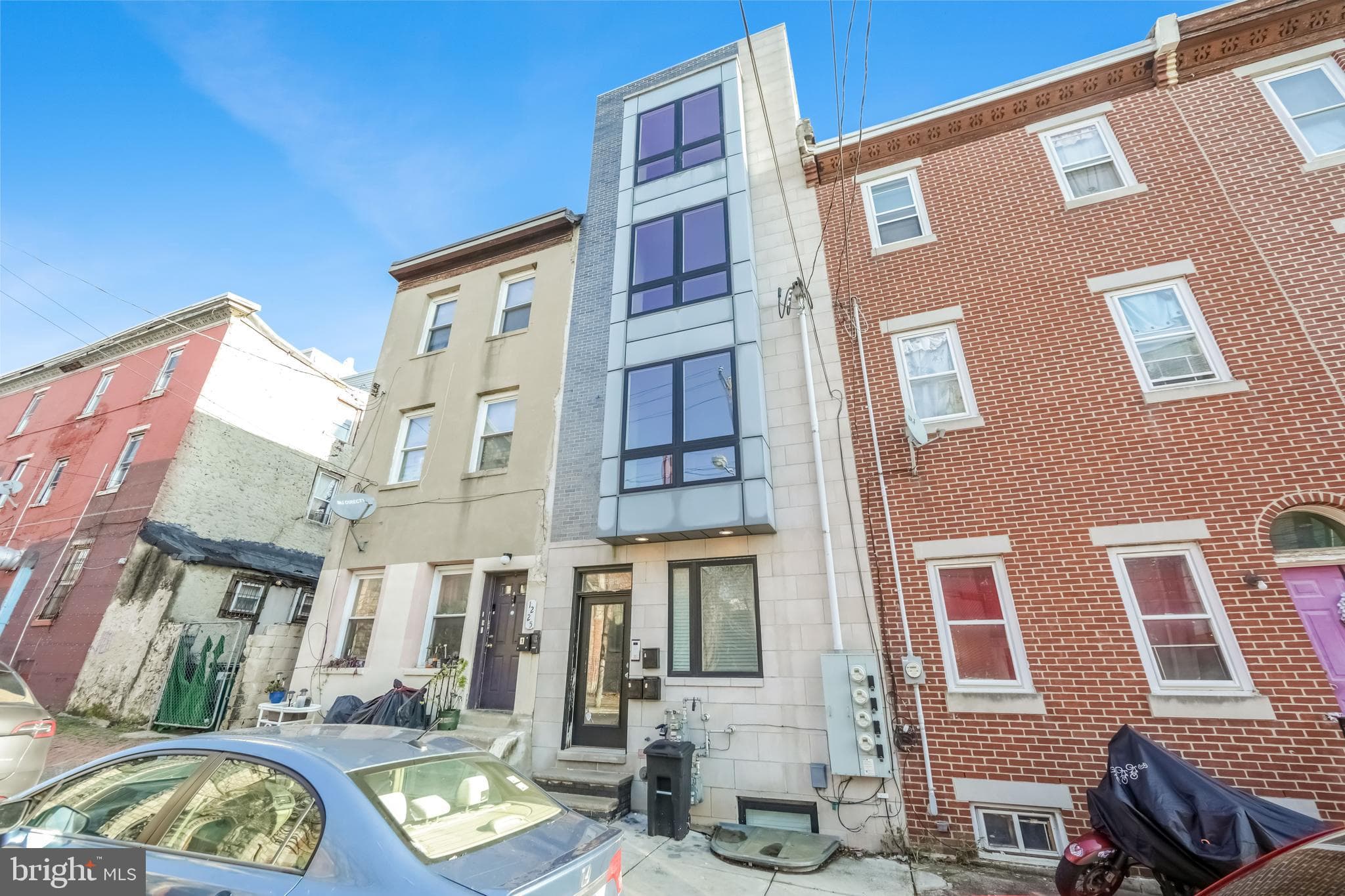
1223 North 25th Street, Philadelphia, PA 19121 was presented at $699,000 as a multifamily property. Review the listing facts, due diligence priorities, pricing questions, and ownership considerations.
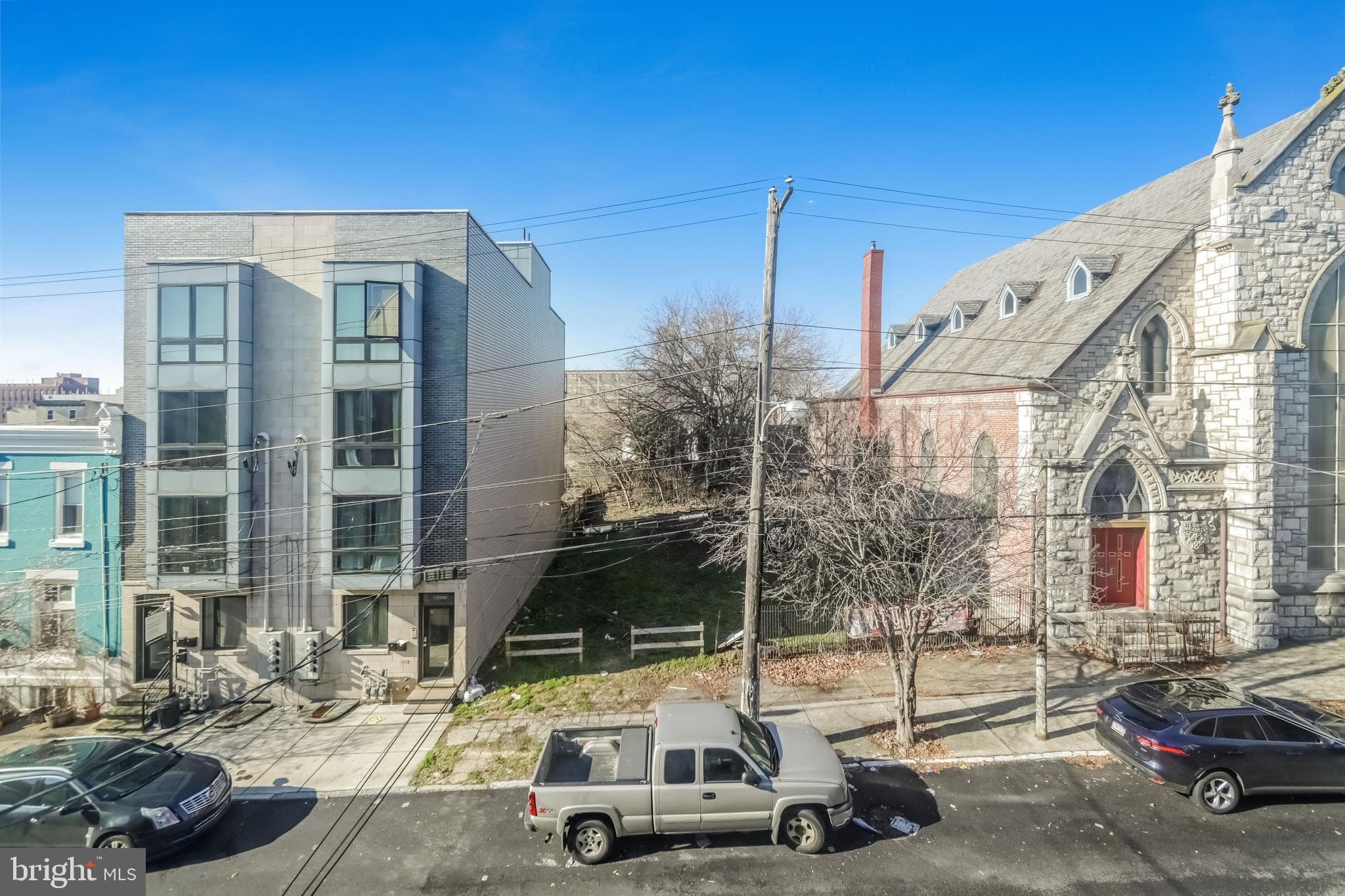
1250 North 25th Street, Philadelphia, PA 19121 was presented at $699,000 as a multifamily property. Review the listing facts, due diligence priorities, pricing questions, and ownership considerations.
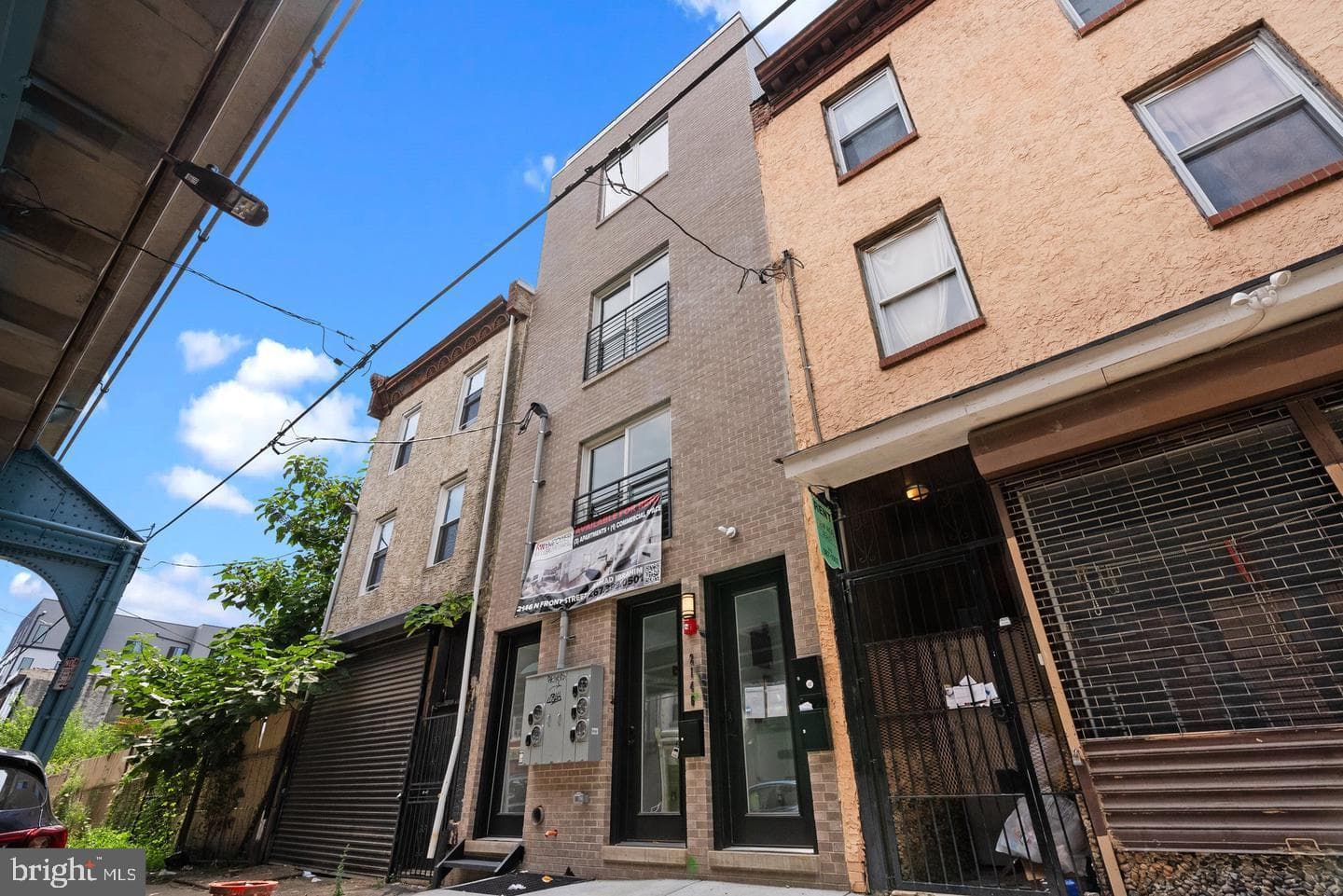
2146 North Front Street, Philadelphia, PA 19122 was presented at $789,000 as a multifamily property. Review the listing facts, due diligence priorities, pricing questions, and ownership considerations.
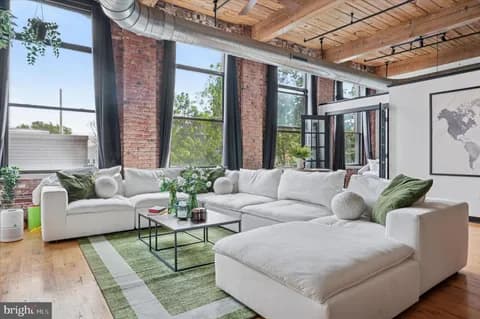
1524 North Hancock Street, Unit 402, Philadelphia, PA 19122 sold on June 24, 2026 for $469,000. Review the original offering, verified result, property features, and lessons for future sellers.